Are you still relying on outdated energy meters? With the rise of technology, understanding energy consumption is more critical than ever.
This article explores the key differences between smart energy meters and normal energy meters.
You’ll learn how smart energy meters can transform energy management for both consumers and businesses. Discover why upgrading to a smart energy meter is essential for accurate billing and efficient energy use.
What is a Normal Energy Meter?
Definition and Functionality
A normal energy meter is a device that measures the total amount of electricity consumed by a household or business. Its primary function is straightforward: it records energy usage in kilowatt-hours (kWh). This data is crucial for utility companies to bill customers accurately.
Normal energy meters typically have a simple design, often featuring a dial or digital display. They provide a cumulative reading of energy consumed over time, which is essential for understanding overall usage patterns.
Types of Normal Energy Meters
There are two main types of normal energy meters:
● Mechanical Meters:
○ These are traditional devices that use gears and dials to measure energy consumption.
○ They operate on a simple mechanical principle, where a rotating disc indicates usage.
● Basic Electronic Meters:
○ These meters use electronic components to measure energy consumption.
○ They often feature a digital display and can provide more precise readings than mechanical meters.
Type of Meter | Description | Advantages | Limitations |
Mechanical Meter | Uses gears and dials to measure energy usage. | Simple and reliable | Limited accuracy over time |
Basic Electronic Meter | Uses electronic components for measurement. | More precise and easier to read | Still lacks real-time data |
Limitations of Normal Energy Meters
While normal energy meters serve their purpose, they come with several limitations:
● Manual Reading Requirements:
○ Traditional meters often require manual readings, which can be inconvenient. Utility workers need to visit each site to record the data, leading to delays in billing and potential inaccuracies.
● Lack of Real-Time Data and Insights:
○ These meters do not provide real-time data. Users have no immediate access to their energy consumption patterns, making it challenging to manage usage effectively.
● Prone to Estimation Errors and Inaccuracies:
○ Since readings are often based on estimates between manual checks, inaccuracies can occur. This can lead to disputes over bills, as consumers may be charged for energy they didn’t actually use.
In contrast, a smart energy meter addresses these issues by offering real-time data transmission and automatic readings. This technology empowers consumers to track their energy usage closely, enabling better management and efficiency.
Understanding the differences between normal and smart energy meters is essential for making informed decisions about energy consumption. As we move towards a more energy-efficient future, knowing how these devices function can help you choose the right one for your needs.
What is a Smart Energy Meter?
Definition and Functionality
A smart energy meter is a modern device designed to measure electricity consumption accurately. For example, the Penghui LGG360TS model represents the latest in smart meter technology. Unlike traditional meters, it offers advanced functionalities that enhance user experience.
These meters feature real-time data transmission, allowing users to monitor their energy usage continuously. They also support two-way communication between the meter and the utility provider. This capability ensures that data is always up to date, making energy management much more efficient.
Key Features of Smart Energy Meters
Smart energy meters come packed with features that set them apart from normal meters:
● Real-Time Monitoring and Data Collection: Users can track their energy consumption in real time. This means they can see how much energy they are using at any given moment.
● Automatic Data Transmission to Utility Providers: Smart meters automatically send usage data to utility companies. This eliminates the need for manual readings and reduces billing errors.
● Integration Capabilities with Renewable Energy Sources: Many smart meters can integrate seamlessly with solar panels and other renewable energy systems. This helps users manage their energy sources effectively, maximizing efficiency and sustainability.
Feature | Description | Benefits |
Real-Time Monitoring | Continuous tracking of energy usage | Helps users identify high consumption periods |
Automatic Data Transmission | Sends usage data to utilities automatically | Reduces billing errors and manual labor |
Renewable Energy Integration | Works with solar and wind energy systems | Maximizes efficiency and sustainability |
Advantages of Smart Energy Meters
The benefits of adopting a smart energy meter are significant:
● Accurate Billing Based on Actual Consumption: Smart meters provide precise data, ensuring that users are billed only for the energy they actually use. This accuracy builds trust between consumers and utility providers.
● Enhanced Energy Management and Efficiency: With real-time insights, users can adjust their consumption habits. This leads to better energy management and potential cost savings.
● Improved Consumer Engagement Through Detailed Insights: Smart meters often come with user-friendly apps or online portals. These platforms offer detailed insights into energy usage patterns, empowering users to make informed decisions.
● Long-Lasting Performance: Many smart meters, like the Penghui models, feature replaceable lithium batteries. This design ensures over 15 years of reliable service, minimizing maintenance concerns.
Smart energy meters are revolutionizing how we manage energy consumption. They provide not just data, but actionable insights that can lead to significant savings and a more sustainable lifestyle. As technology advances, these devices will continue to play a vital role in energy management.
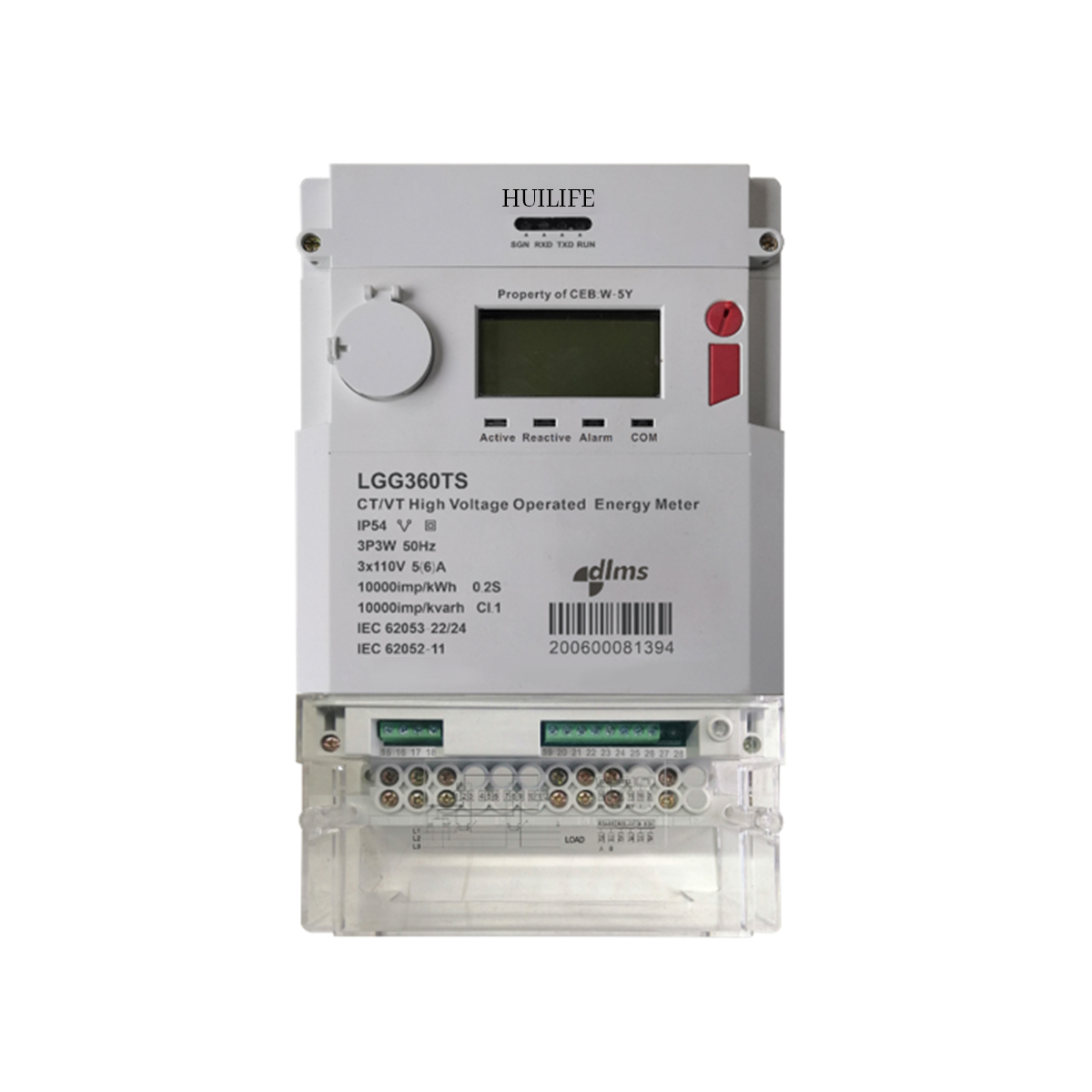
Key Differences Between Smart Energy Meters and Normal Energy Meters
Data Collection and Transmission
One of the most significant differences lies in how data is collected and transmitted. Normal energy meters require manual readings, meaning someone has to physically visit each location to note the usage. This process can lead to delays and inaccuracies.
In contrast, smart energy meters automatically collect and transmit data in real time. This means users can access their energy consumption data instantly, allowing for timely decisions on usage.
● Manual Data Collection:
○ Requires physical visits for readings.
○ Updates are typically monthly, which can lead to outdated information.
● Automatic Data Transmission:
○ Provides real-time updates.
○ Users can monitor their consumption continuously.
Billing Accuracy
Billing accuracy is another key area where smart energy meters excel. Traditional meters often rely on estimated usage between manual readings. This can result in overcharging or undercharging consumers.
Smart meters eliminate estimated bills by providing precise data on actual consumption. This transparency fosters trust between consumers and utility providers.
● Estimated Bills:
○ Common with normal meters, leading to potential disputes.
● Accurate Billing:
○ Smart meters ensure users pay only for what they consume.
○ This accuracy enhances consumer confidence in their utility providers.
Energy Management Capabilities
Smart energy meters offer advanced features that significantly improve energy management. They allow users to monitor their energy usage closely and make informed decisions about consumption.
Some notable features include:
● Load Monitoring: Users can see how much energy different appliances use.
● Tamper Detection: Alerts users if there’s any unauthorized manipulation of the meter.
● Alerts for Unusual Consumption: Notifies users of spikes in usage, helping to identify potential issues quickly.
Feature | Normal Energy Meter | Smart Energy Meter |
Data Collection | Manual readings | Automatic real-time transmission |
Billing Method | Estimated bills | Accurate billing based on actual usage |
Monitoring Capabilities | Basic usage tracking | Advanced load monitoring and alerts |
Communication and Connectivity
The communication methods used by normal and smart energy meters differ significantly. Normal meters typically operate on a one-way communication system. They send data to the utility provider, but there’s no feedback mechanism.
Smart energy meters utilize two-way communication. This capability allows for remote monitoring and control, making it easier for utility companies to manage outages and service issues.
● One-Way Communication:
○ Normal meters only send data.
○ Limited interaction between the meter and utility provider.
● Two-Way Communication:
○ Smart meters facilitate real-time communication.
○ This allows for quicker response times during outages.
Adaptability and Future-Proofing
Smart energy meters are designed to adapt to changing energy landscapes. They can integrate with smart grids, which are essential for managing renewable energy sources. This adaptability ensures that they remain relevant as technology evolves.
For businesses and consumers, the long-term benefits are clear:
● Integration with Smart Grids:
○ Smart meters help manage energy flow more efficiently.
● Support for Demand Response Programs:
○ They enable utilities to balance supply and demand effectively, leading to cost savings.
Overall, the differences between smart energy meters and normal energy meters highlight the importance of upgrading to modern technology. Smart meters not only enhance user experience but also contribute to a more efficient and sustainable energy future.
The Importance of Upgrading to Smart Energy Meters
Benefits for Consumers
Upgrading to a smart energy meter offers numerous advantages for consumers. One of the most significant benefits is cost savings. By providing real-time insights into energy consumption, smart meters help users identify patterns and adjust usage accordingly. This leads to reduced energy bills.
● Cost Savings Through Better Energy Management:
○ Consumers can track usage in real time.
○ By identifying peak usage times, they can shift their consumption to off-peak hours, taking advantage of lower rates.
● Environmental Benefits from Reduced Energy Waste:
○ Smart meters contribute to sustainability by minimizing energy waste.
○ When users see their consumption data, they are more likely to adopt energy-saving habits.
● Real-Time Insights into Energy Consumption Patterns:
○ Users gain visibility into how much energy each appliance uses.
○ This knowledge empowers them to make informed decisions, like replacing old appliances with energy-efficient models.
Benefits for Businesses
For businesses, the transition to smart energy meters can lead to improved operational efficiency. These meters provide valuable data that can streamline operations and enhance customer satisfaction.
● Improved Operational Efficiency:
○ Companies can monitor energy usage across different departments.
○ This allows for better resource allocation and identification of areas where energy can be saved.
● Enhanced Customer Satisfaction and Loyalty:
○ Businesses that adopt smart meters often see higher customer satisfaction rates.
○ By providing accurate billing and insights into usage, customers feel more in control of their energy consumption.
Case Studies
Several companies have successfully implemented smart energy meters, showcasing their benefits:
● Retail Chain Example: A large retail chain installed smart meters across its locations. They reported a 15% reduction in energy costs within the first year. Real-time monitoring allowed them to optimize heating and cooling systems based on customer traffic patterns.
● Manufacturing Facility Example: A manufacturing facility upgraded to smart meters and integrated them with their energy management system. They achieved a 20% decrease in energy consumption by identifying inefficient machinery and scheduling maintenance proactively.
Benefit | For Consumers | For Businesses |
Cost Savings | Reduced energy bills | Lower operational costs |
Environmental Impact | Less energy waste | Improved sustainability practices |
Customer Engagement | Informed decision-making | Enhanced satisfaction and loyalty |
Smart energy meters are more than just tools for measuring consumption; they are essential for modern energy management. By understanding the benefits they offer, both consumers and businesses can make informed decisions that lead to long-term savings and efficiency.
Conclusion
Smart energy meters differ significantly from normal energy meters. They offer real-time data, accurate billing, and enhanced energy management.
Upgrading to a smart energy meter can lead to cost savings and reduced energy waste.
Companies like Hunan Penghui Intelligent Energy Technology Co., Ltd. are leading this transition.
Consider making the switch for better energy management and efficiency.
FAQ
Q: What are the main advantages of smart energy meters over normal energy meters?
A: Smart energy meters provide real-time data, accurate billing, and enhanced energy management, leading to cost savings and reduced waste.
Q: Can traditional meters still be used effectively today?
A: While traditional meters can still function, they lack the real-time monitoring and communication capabilities of smart meters.
Q: How do smart meters support renewable energy integration?
A: Smart meters facilitate the integration of renewable energy sources by managing energy flow and supporting smart grid technologies.
Q: What should consumers know before switching to a smart energy meter?
A: Consumers should understand the benefits, such as real-time insights and potential cost savings, before making the switch.
Q: Are there any health concerns associated with smart meters?
A: Current research indicates that smart meters operate within safe limits for electromagnetic exposure, posing minimal health risks.


