Are you still relying on outdated energy meters? With technology advancing rapidly, choosing between a smart energy meter and a normal meter is crucial.
Understanding their differences can significantly impact your energy management and costs.
In this article, we’ll explore the benefits of smart energy meters, compare them to normal meters, and help you make an informed decision for your home or business.
What is a Smart Energy Meter?
Definition and Functionality
A smart energy meter is a digital device designed to measure electricity consumption in real-time. Unlike traditional meters, which require manual readings, smart meters automatically collect and transmit data. This technology allows for two-way communication between the meter and utility providers.
Key features of smart energy meters include:
● Real-time Data Collection: They provide immediate insights into energy usage, helping users track their consumption patterns.
● Two-way Communication: This feature enables utilities to send updates and alerts directly to the meter, enhancing service efficiency.
● Remote Monitoring: Users can access their energy data from anywhere, making it easier to manage consumption and costs.
Advantages of Smart Energy Meters
Switching to a smart energy meter comes with several significant benefits. Here’s how they can enhance your energy management:
● Accurate Billing: Smart meters eliminate estimated bills by providing precise usage data. This means you only pay for what you actually consume, reducing billing disputes.
● Enhanced Energy Management: With real-time data at your fingertips, you can identify peak usage times and adjust your habits accordingly. This insight leads to better energy efficiency and cost savings.
● Support for Dynamic Pricing: Many smart meters enable dynamic pricing models, allowing consumers to take advantage of lower rates during off-peak hours. This flexibility can lead to substantial savings.
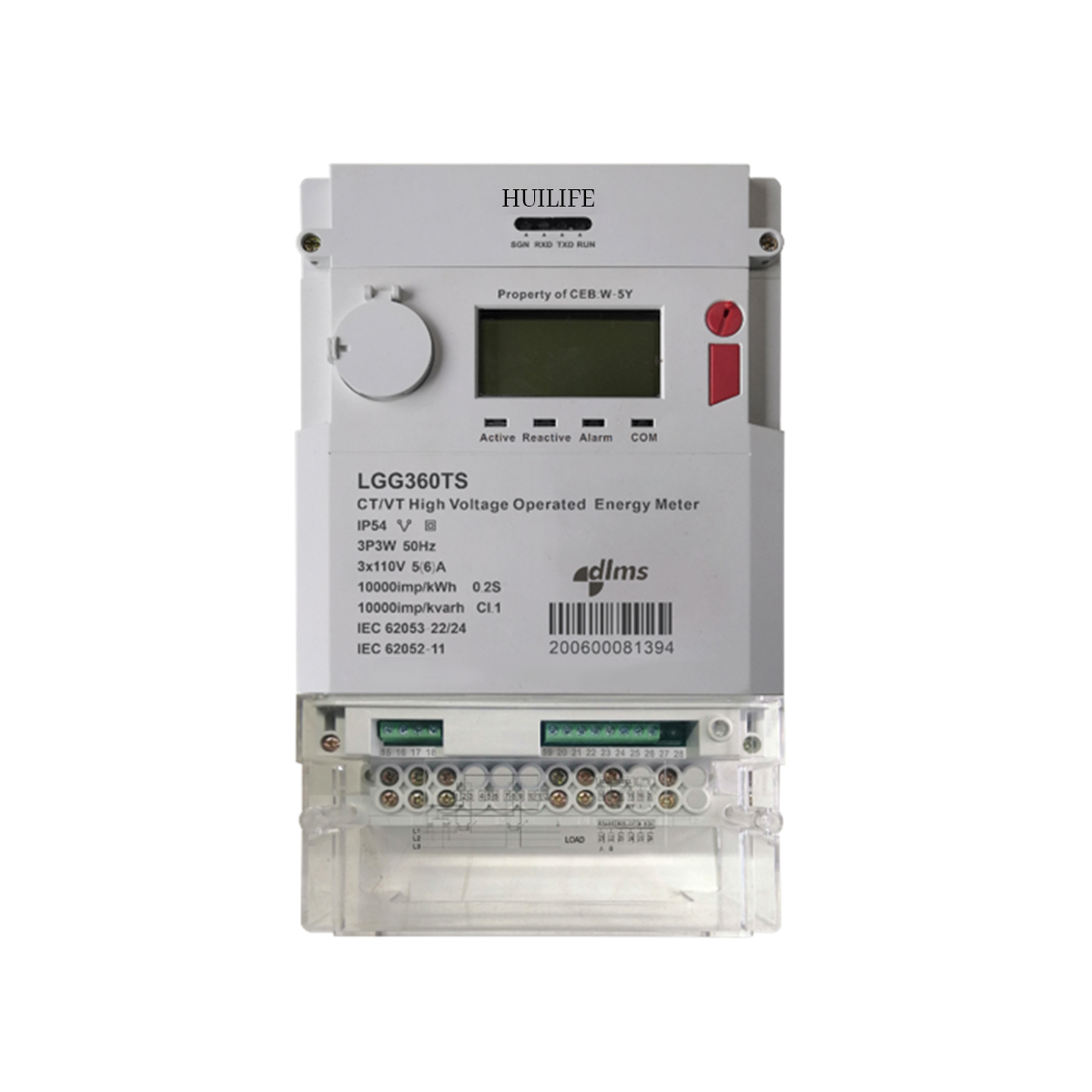
A great example of advanced smart energy meter technology is the Penghui 360TS offered by Hunan Penghui Intelligent Energy Technology Co., Ltd. This meter not only provides high precision in measurements but also incorporates features like:
Feature | Description |
Measurement Accuracy | High-precision CL0.2s for active power |
Power Consumption | Ultra-low design for energy efficiency |
Environmental Adaptability | Operates in extreme temperatures (-40°C to +70°C) |
The Penghui 360TS smart energy meter is engineered for commercial and industrial applications, making it a reliable choice for businesses looking to optimize their energy usage. It supports comprehensive event recording and advanced anti-tamper solutions, ensuring that users receive accurate data while minimizing the risk of fraud.
By investing in a smart energy meter, you’re not just upgrading your technology; you’re gaining control over your energy consumption and costs. With features designed to enhance efficiency and provide valuable insights, smart meters are becoming essential tools for modern energy management.
What is a Normal Meter?
Definition and Functionality
A normal meter refers to traditional electricity meters, which can be either analog or basic digital devices. These meters measure energy consumption but require manual intervention for reading. Unlike smart energy meters, normal meters operate on a one-way communication system.
Key features of normal meters include:
● Manual Reading: Users or utility workers must physically visit the meter to record usage. This can lead to inaccuracies if readings are missed or estimated.
● One-way Communication: Normal meters only track energy consumption without sending data back to the utility. This limits real-time monitoring and feedback.
Advantages of Normal Meters
While smart energy meters are gaining popularity, normal meters still have their place. Here are some advantages:
● Lower Initial Installation Costs: Normal meters are generally less expensive to install compared to smart energy meters. This makes them a budget-friendly option for many households and small businesses.
● Simplicity and Reliability: In areas where internet connectivity is poor or unreliable, normal meters provide a straightforward solution. They don’t rely on digital infrastructure, making them dependable in various environments.
● Fewer Technical Issues: Since normal meters lack complex technology, they often face fewer technical problems. This can lead to reduced maintenance costs and fewer service interruptions.
Here’s a quick comparison of normal meters versus smart energy meters:
Feature | Normal Meter | Smart Energy Meter |
Reading Method | Manual | Automatic |
Communication | One-way | Two-way |
Installation Cost | Lower | Higher |
Data Accuracy | Prone to estimation | High precision |
Real-time Monitoring | No | Yes |
Normal meters serve a critical role, especially in regions where advanced technology isn’t feasible. They provide a reliable way to measure energy usage without the complications of digital systems. For many users, particularly in rural or less developed areas, the simplicity of a normal meter is appealing.
While smart energy meters offer advanced features and insights, normal meters remain a staple in the energy landscape. They provide essential functionality and can be an effective solution for many energy consumers.
Key Differences Between Smart Meters and Normal Meters
Measurement and Accuracy
When it comes to measurement capabilities, smart meters significantly outshine normal meters. Smart energy meters like the Penghui 360TS offer high-precision CL0.2s active power measurement. This level of accuracy ensures users receive exact billing based on their actual consumption.
● Cumulative Data: Normal meters typically provide cumulative data, which means they only track total energy usage over time. This can lead to less precise billing and a lack of understanding about peak usage times.
● Real-time Data: In contrast, smart meters deliver real-time data, allowing users to monitor their energy consumption as it happens. This feature empowers consumers to make informed decisions about their energy use.
Data Collection and Transmission
The method of data collection is another area where smart meters excel. Normal meters require manual readings, which can lead to inaccuracies and delays in billing. Utility personnel must physically check the meter, which can be time-consuming and prone to human error.
● Manual Reading: This process can result in estimated bills, especially if readings are missed or not taken regularly. It often frustrates consumers who want clarity in their energy costs.
● Automatic Data Transmission: Smart meters, however, utilize automatic data transmission. They send usage data directly to the utility company, ensuring timely and accurate billing. This seamless communication enhances the overall consumer experience, reducing disputes and confusion.
Here’s a quick comparison of data handling:
Feature | Normal Meter | Smart Energy Meter |
Reading Method | Manual | Automatic |
Data Transmission | One-way | Two-way |
Billing Accuracy | Prone to estimates | Real-time accuracy |
Energy Management and Control
Smart meters provide valuable insights for better energy management, which is a significant advantage over normal meters. They enable users to track their consumption patterns and adjust their habits accordingly.
● Insights for Better Management: With real-time data, consumers can identify peak usage times and reduce energy waste. This leads to lower bills and more efficient energy use.
● Load Control and Fault Diagnosis: The Penghui smart energy meter supports features like load control and power grid fault diagnosis. This means it can help prevent outages and optimize energy distribution.
Normal meters lack these advanced capabilities, making it harder for users to effectively manage their energy consumption. They typically provide only basic information, which limits users' ability to make informed decisions about their energy use.
In summary, the differences between smart meters and normal meters are clear. Smart energy meters not only enhance accuracy and efficiency but also empower consumers to take control of their energy usage.
Security and Privacy Considerations
Cybersecurity Risks
As smart energy meters become more prevalent, concerns about cybersecurity risks grow. These devices are connected to the internet, making them potential targets for hackers. Vulnerabilities can arise from various sources, including outdated software and insecure communication channels.
● Potential Vulnerabilities: Smart meters can be susceptible to attacks that might compromise user data or disrupt energy services. For instance, hackers could manipulate usage data or even cause outages.
● Importance of Data Protection: Protecting consumer data is paramount. Utilities must implement robust measures to safeguard personal information. This includes encryption, secure authentication, and regular software updates to address any vulnerabilities.
The Penghui smart energy meter incorporates advanced security features to mitigate these risks. It includes:
Security Feature | Description |
Multi-layer Anti-tamper | Protects against physical tampering and fraud |
Data Encryption | Secures data transmission between the meter and utility |
Regular Security Updates | Ensures the meter's software is up-to-date with the latest protections |
Consumer Concerns
Public perception of smart meters often includes fears about privacy and security. Many consumers worry that their energy usage data could be misused or improperly accessed. This skepticism can lead to resistance against adopting smart energy meters.
● General Public Perception: While some view smart meters as a step toward modernizing energy management, others fear potential breaches of privacy. These concerns are often fueled by high-profile data breaches in other sectors.
● Addressing Fears: It's essential for utilities and manufacturers to communicate the safety measures in place. Educating consumers about how their data is protected can help ease concerns. Transparency regarding data usage policies and security practices can build trust.
In addition to security measures, the benefits of smart energy meters should be highlighted. For example, they can enhance energy efficiency and provide users with valuable insights into their consumption patterns. By addressing privacy concerns directly, utilities can encourage more consumers to embrace this technology.
Ultimately, while the shift to smart energy meters brings cybersecurity challenges, robust security features and clear communication can help mitigate these risks. It’s about finding the right balance between innovation and consumer protection.
Cost Analysis
Installation Costs
When considering the installation of meters, upfront costs are a crucial factor. Normal meters typically have lower initial installation costs compared to smart energy meters. However, it’s essential to look beyond these initial expenses.
● Upfront Costs: Normal meters can be installed at a fraction of the cost of smart meters. The simplicity of traditional meters means fewer components and less complex installation procedures.
● Long-term Savings Potential: Smart energy meters may require a higher initial investment, but they offer significant long-term savings. By providing real-time data, they help users optimize their energy consumption, leading to lower utility bills over time.
Here’s a quick look at the cost comparison:
Meter Type | Average Installation Cost | Long-term Savings Potential |
Normal Meter | $100 - $200 | Limited savings |
Smart Energy Meter | $300 - $600 | Significant savings possible |
Maintenance and Operational Costs
Beyond installation, ongoing maintenance and operational costs play a vital role in the overall cost analysis. Normal meters generally incur lower maintenance costs due to their straightforward design.
● Ongoing Costs: Normal meters require occasional manual readings and maintenance, which can add up over time. In contrast, smart meters automate these processes, reducing the need for manual intervention.
● Economic Benefits of Smart Meters: One of the key advantages of smart energy meters is their ability to reduce operational costs. They minimize line losses through efficient data transmission and monitoring. This efficiency not only saves money for utilities but also translates into lower costs for consumers.
Cost Type | Normal Meter | Smart Energy Meter |
Maintenance Costs | Moderate | Low due to automation |
Operational Efficiency | Standard | High, with lower line losses |
Smart energy meters also provide insights that help users manage their energy usage more effectively. By identifying peak consumption times, users can adjust their habits and take advantage of dynamic pricing, further enhancing savings.
In conclusion, while normal meters might seem more economical initially, smart energy meters present a compelling case for long-term financial benefits. Their advanced technology not only streamlines operations but also empowers users to make informed decisions about their energy usage.
Environmental Impact
Energy Efficiency and Sustainability
Smart energy meters play a crucial role in enhancing energy efficiency and promoting sustainability. By providing real-time data on energy consumption, these devices empower users to make informed decisions about their energy use.
● Contributing to Energy Conservation: Smart meters help identify patterns in energy usage, allowing consumers to adjust their habits. For example, users can see when they consume the most energy and shift usage to off-peak hours, which helps reduce overall demand.
● Supporting Sustainable Practices: With features like load management and real-time monitoring, smart meters facilitate the integration of renewable energy sources. This capability is vital for transitioning to a more sustainable energy system.
The Hunan Penghui smart energy meter exemplifies how advanced technology can improve grid operation efficiency. These meters not only optimize energy distribution but also support utilities in managing resources more effectively. Here’s how they contribute:
Contribution | Description |
Improved Grid Efficiency | Helps utilities balance supply and demand |
Enhanced Renewable Integration | Supports the use of solar and wind energy |
Reduced Carbon Footprint | Minimizes waste and lowers emissions |
Role of Normal Meters
While normal meters have served their purpose, their role in the transition to smarter energy systems is limited. They provide basic functionality but lack the advanced features necessary for modern energy management.
● Basic Functionality: Normal meters measure total energy consumption but do not offer insights into usage patterns. This limitation makes it harder for consumers to implement energy-saving strategies.
● Transitioning to Smart Systems: As utilities move toward smarter energy systems, normal meters will likely be phased out. The focus will shift to smart meters, which are designed to support a more sustainable and efficient energy landscape.
In summary, the environmental impact of smart energy meters is significant. They not only enhance energy efficiency but also play a pivotal role in supporting sustainable energy practices. As we strive for a greener future, the adoption of smart technology will be essential in reducing our environmental footprint.
Conclusion
This article compared smart meters and normal meters.
Smart energy meters offer real-time data and energy efficiency.
They support sustainability and lower operational costs.
Normal meters, while cheaper, lack advanced features.
Consider your specific needs and preferences when choosing.
Evaluate both options to find the best fit for you.
FAQ
Q: What are the main benefits of switching to a smart energy meter?
A: Smart energy meters provide real-time data, enhance energy efficiency, support renewable integration, and reduce operational costs.
Q: Can I still use a normal meter effectively in today's energy landscape?
A: Yes, but normal meters lack advanced features for energy management and efficiency, limiting their effectiveness.
Q: How does a smart meter improve energy management?
A: Smart meters offer insights into consumption patterns, enabling users to optimize usage and reduce costs.
Q: Are there any privacy concerns with smart meters?
A: Yes, concerns exist about data security and privacy. Robust measures are essential to protect consumer information.
Q: What should I consider before making the switch?
A: Evaluate your energy needs, budget, and the potential benefits of smart technology for your situation.


