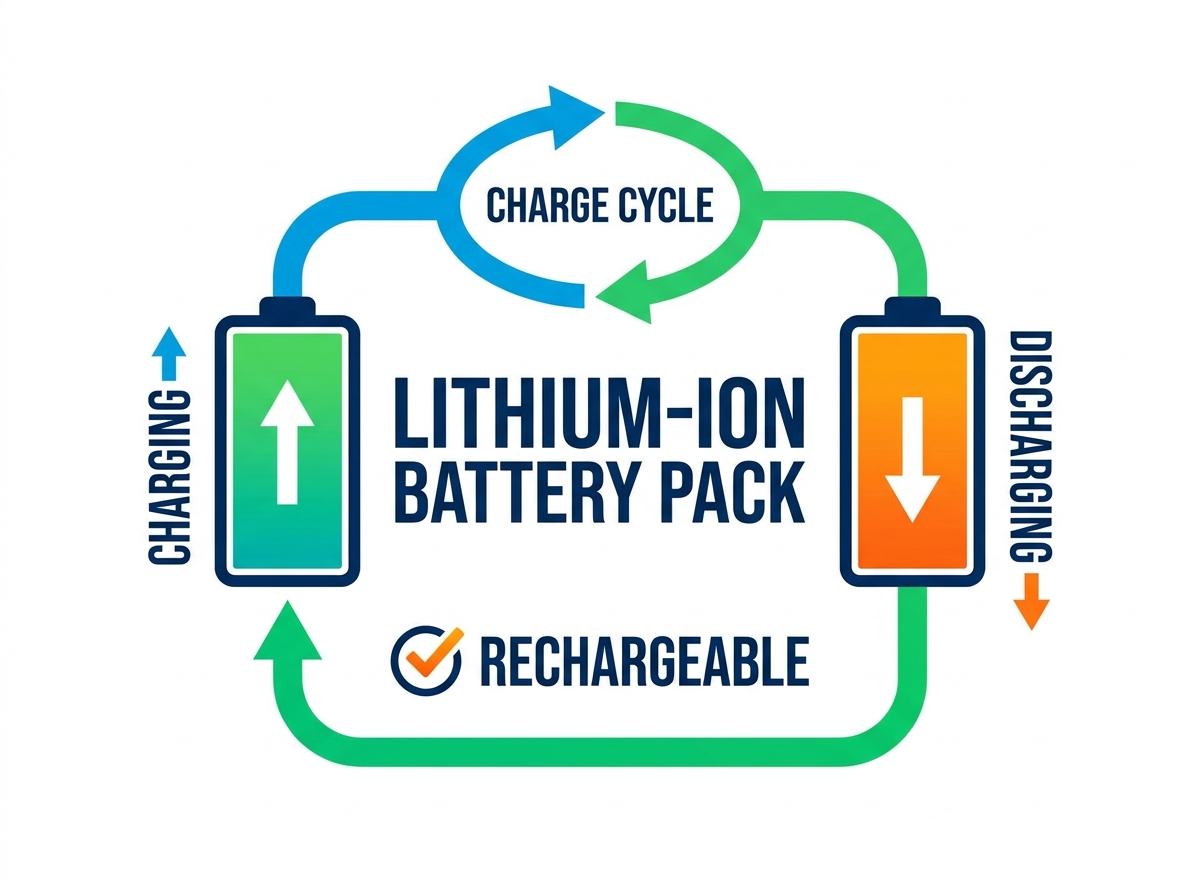
Yes, lithium-ion batteries are entirely rechargeable. They represent the gold standard for modern energy storage. The transition from single-use primary cells to robust secondary batteries has revolutionized industrial and consumer technology. From stabilizing solar grids to powering heavy-duty equipment on a warehouse floor, this technological leap is undeniable. For engineers and businesses seeking a reliable and cost-effective energy solution, investing in a high-quality lithium ion battery pack is the ultimate system upgrade. This guide breaks down the core chemistry, operational benefits, and strict selection criteria for modern power systems.
Primary vs. Secondary Cells: The Engineering Reality
To fully grasp modern energy storage capabilities, we must separate primary from secondary batteries. Primary batteries are single-use units. Think of standard alkaline cells. Once their chemical reaction depletes, they are simply discarded. In stark contrast, secondary batteries are engineered specifically for endurance and continuous reuse.
Every single lithium-ion power unit falls firmly into this secondary category. The underlying chemistry relies on a highly reversible internal process. This chemical reversibility allows the internal materials to readily accept a fresh charge. It effectively resets the energy potential thousands of times without structural failure. Why settle for outdated technology when you can utilize a system designed for longevity?
How Does the Charging and Discharging Process Work?
At a fundamental level, these powerhouses operate by shuttling microscopic particles back and forth. When you actively use a device, the battery is in a state of discharge. Lithium ions migrate from the negative anode to the positive cathode across a specialized liquid or gel electrolyte. This specific movement generates the electrical current that drives your equipment.
Conversely, plugging the unit into a power source reverses this exact flow. The incoming electrical energy forces those same ions backward. They leave the cathode and embed themselves back into the anode structure. Think of two water tanks connected by a two-way pump. Discharging is water flowing naturally to turn a turbine. Charging uses an external pump to push the water back, readying the system for the very next cycle.
Industry Trends: The Shift Toward Advanced Energy Storage
Recent market analyses highlight a massive surge in demand for rechargeable lithium technology. Global electrification initiatives are accelerating rapidly. Sectors ranging from commercial automotive to off-grid solar are actively pivoting away from fossil fuels. Consequently, the reliance on advanced secondary battery technologies has skyrocketed.
Current trends show a massive industry shift toward Lithium Iron Phosphate chemistry. This specific variant offers superior thermal stability and eliminates the risk of thermal runaway. Modern infrastructure demands robust energy storage solutions capable of sustaining heavy daily cycling. The global market is moving away from cheap and short-lived alternatives. Instead, industries are embracing high-density systems that ensure long-term grid stability and operational safety.
Core Comparison: Lead-Acid vs. Lithium-Ion
Upgrading older systems requires looking at the raw data. Here is exactly how traditional lead-acid stacks up against modern lithium technology in field applications.
Performance Metric
Traditional Lead-Acid
Modern Lithium-Ion
Cycle Life
300 to 500 cycles
4000 to 6000 cycles
Usable Capacity
50 percent maximum
Up to 100 percent
Physical Weight
Extremely heavy
60 percent lighter
Maintenance
Requires regular watering
Zero maintenance required
Charging Speed
8 to 12 hours
1 to 3 hours
Top Operational Benefits for Commercial Applications
Looking at the data above, the advantages become immediately clear. When evaluating long-term reliability, cycle life is the ultimate metric. A standard lead-acid bank typically fails after 400 cycles. Its performance plummets rapidly. In comparison, premium lithium setups effortlessly deliver over 5000 cycles. This translates to over a decade of unwavering performance before replacement is even considered.
Furthermore, space and weight remain critical constraints in mobile and remote applications. Lithium technology boasts an exceptionally high energy density. It stores significantly more power in a much smaller footprint. Shedding hundreds of pounds in battery weight directly improves system efficiency and vehicle handling.
Time is also money in commercial settings. These advanced packs accept charge at a dramatically faster rate. They drastically reduce operational downtime. Specifically, they are entirely maintenance-free. There is absolutely no need to check water levels or clean corrosive acid spills. These are tedious tasks that constantly plague flooded battery owners.
Sizing and Selection: A Practical Engineering Guide
Selecting the perfect unit requires matching exact specifications to your daily load profile. Abstract capacity claims mean very little in the field. You need concrete parameters. For instance, a standard commercial solar setup might utilize a 51.2 Volt 100 Amp-hour server rack module. This specific configuration provides roughly 5.12 kilowatt-hours of usable energy. If your inverter demands a 100 Amp continuous discharge current, your battery must comfortably support that load without severe voltage sag.
Equally critical is the internal architecture. A smart Battery Management System is absolutely non-negotiable. This internal computer constantly monitors individual cell health. It protects the entire pack against overcharging, deep discharging, and extreme temperature fluctuations. Always look for systems featuring built-in thermal sensors and active cell balancing. Partnering with established suppliers ensures you receive units with verified cycle ratings and robust warranty coverage.
Analyzing the Total Cost of Ownership
Sticker shock is a common reaction when pricing out lithium upgrades. The upfront cost is noticeably higher than a comparable lead-acid alternative. Yet, evaluating the purchase strictly on initial price is a massive engineering oversight.
When you crunch the numbers through a Total Cost of Ownership lens, the narrative flips completely. A lithium pack lasts up to ten times longer. It requires zero paid maintenance labor. It operates with vastly superior charge efficiency. Therefore, the actual cost per cycle is drastically lower. Over a ten-year span, you might replace a lead-acid bank four separate times. A single lithium setup will still run strong. This is a strategic commercial investment designed to save money over the long haul.
Conclusion
Lithium-ion batteries represent the absolute pinnacle of highly efficient power storage. They have systematically eliminated the pain points associated with legacy battery types. The unparalleled performance, built-in safety mechanisms, and incredible longevity make them the most economical choice for modern energy demands.
Stop settling for heavy and maintenance-intensive alternatives. Evaluate your current power setup and upgrade your battery systems today. Review the technical specifications on GIC Supplier to find the exact industrial or commercial battery configuration that will drive your next project forward with absolute reliability.
FAQ
Can a lithium pack develop a memory effect?
No. Unlike older nickel-based chemistries, modern lithium technology does not suffer from any memory effect. You can comfortably top them off at any discharge level. This will not permanently diminish their overall capacity.
Can I leave my battery plugged in all the time?
Modern packs feature an advanced management system to prevent dangerous overcharging. However, keeping them pegged at maximum voltage for months can accelerate natural degradation. If your equipment sits unused for extended periods, storing the battery at roughly half charge is best practice.
Do I need a specialized charger?
Yes. You must use a charger specifically engineered for lithium chemistry. These chargers utilize the correct voltage parameters and algorithms. This maximizes both safety and operational lifespan.
How long do rechargeable lithium batteries typically last?
Lifespan heavily depends on usage patterns and operating temperatures. Most high-quality packs are rated for 3000 to 6000 full charge cycles. In practical terms, this usually equates to 8 to 15 years of reliable service before the capacity drops below 80 percent of its original rating.
Is it safe to leave a lithium battery on the charger overnight?
Yes, provided you are using a matched charger and a battery equipped with a quality internal management board. The internal computer automatically cuts off the charging current the moment the cells reach full capacity. This prevents overheating and thermal damage.