Can you imagine a world where your smart energy meter works perfectly without internet? Many people wonder if these devices truly function offline. Understanding how smart meters operate without internet access is crucial for efficient energy management.
In this article, we'll explore the capabilities of smart energy meters, particularly focusing on their independence from internet connectivity. You'll learn about the advantages of smart meters, like those from Hunan Penghui Intelligent Energy Technology Co., Ltd., and how they ensure reliable performance in any situation.
What is a Smart Energy Meter?
A smart energy meter is a sophisticated device designed to measure and manage energy consumption more effectively than traditional meters. Unlike conventional meters, which only provide basic readings, smart meters offer real-time data and advanced features. This capability allows users to monitor their energy usage closely, leading to better management and efficiency.
Key Features of Smart Energy Meters
Smart energy meters come packed with features that set them apart from traditional meters. Here are some of the most significant advantages:
● High Measurement Accuracy: Smart meters are engineered to deliver precise readings of both active and reactive power. This accuracy helps consumers understand their energy usage patterns and identify potential savings.
● Robust Environmental Adaptability: Designed for diverse conditions, smart energy meters can operate effectively in extreme temperatures and varying humidity levels. For example, the Penghui 360TS meter functions in temperatures ranging from -40°C to +70°C, making it suitable for various climates.
● Real-Time Data Monitoring: Users can access instant information about their energy consumption, allowing for timely adjustments. This feature promotes energy efficiency and can lead to significant cost savings over time.
● Advanced Communication Capabilities: Smart meters utilize secure networks to transmit data to utility providers without needing direct internet access. This ensures continuous communication, even in areas with unreliable internet connectivity.
Importance of Smart Energy Meters in Modern Energy Management
In today's world, where energy efficiency is paramount, smart energy meters play a crucial role. They provide insights that help businesses and households optimize their energy use. Here’s how they contribute to modern energy management:
● Enhanced Energy Efficiency: By understanding real-time consumption data, users can identify peak usage times and adjust their habits accordingly. This can lead to reduced energy bills and a smaller carbon footprint.
● Data-Driven Decisions: With detailed reports and analytics, users can make informed decisions about energy usage. This data can highlight trends, allowing for proactive measures to enhance efficiency.
● Support for Renewable Energy Integration: Smart meters facilitate the integration of renewable energy sources by providing data that helps manage energy flow more effectively. This is essential as more consumers turn to solar and wind energy.
Comparison of Smart Energy Meters and Traditional Meters
Feature | Smart Energy Meter | Traditional Meter |
Measurement Accuracy | High | Moderate |
Real-Time Data Monitoring | Yes | No |
Communication Method | Secure networks | Manual readings |
Environmental Adaptability | Excellent | Limited |
Smart energy meters are essential tools for both consumers and energy providers. They not only help in monitoring usage but also empower users to take charge of their energy consumption. As we move toward a more energy-conscious society, these devices will become increasingly vital in managing our energy resources effectively.
How Do Smart Meters Operate?
Smart energy meters are designed to provide accurate and real-time information about energy consumption. They operate through a combination of advanced technology and robust engineering, which allows them to function efficiently both online and offline. Let’s break down how these devices work.
Overview of the Operational Mechanism
At their core, smart energy meters utilize sophisticated sensors and microprocessors to measure energy use. Here’s how they operate:
● Measurement: Smart meters continuously track energy consumption, providing precise readings of electricity, gas, or water usage.
● Real-Time Data: They deliver instant feedback on energy usage, helping users make informed decisions about their consumption patterns.
Core Metering Functions
Smart meters are equipped to perform essential functions independently, without relying on constant internet access. Key functions include:
● Data Collection: These devices gather data on energy usage at regular intervals, often every few seconds. This allows for detailed tracking of consumption trends.
● Storage Capabilities: Smart energy meters can store data locally, ensuring that usage information is preserved even during outages. For instance, they can hold months of usage data until it can be transmitted to the utility provider.
Communication with Utility Providers
One of the standout features of smart energy meters is their ability to communicate effectively with utility providers. They do this through secure networks rather than traditional internet connections. Here’s how:
● Data Transmission: Smart meters send collected data to utility companies using dedicated communication protocols, ensuring reliable and secure data transfer.
● Protocols Used: The DLMS/COSEM protocol is commonly employed for seamless integration. This standard allows smart meters to communicate with various systems, ensuring compatibility and efficiency.
Benefits of Independent Operation
The ability of smart energy meters to operate without constant internet access offers several advantages:
● Increased Reliability: Users can rely on their meters to function properly, even in areas with poor internet connectivity. This is particularly crucial for remote locations.
● Enhanced Security: By using secure networks, smart meters reduce the risk of data breaches associated with internet-based systems.
Key Features of Smart Energy Meters
Feature | Description |
Continuous Measurement | Tracks energy usage in real-time |
Local Data Storage | Retains data even without internet connectivity |
Secure Communication | Uses DLMS/COSEM for reliable data transfer |
Robust Functionality | Operates efficiently in various environmental conditions |
Smart energy meters are more than just advanced measuring devices; they are integral to modern energy management. Their ability to operate independently ensures that users can track their consumption accurately and securely, regardless of internet availability. With companies like Hunan Penghui leading the way in smart meter technology, these devices are transforming how we manage energy resources.
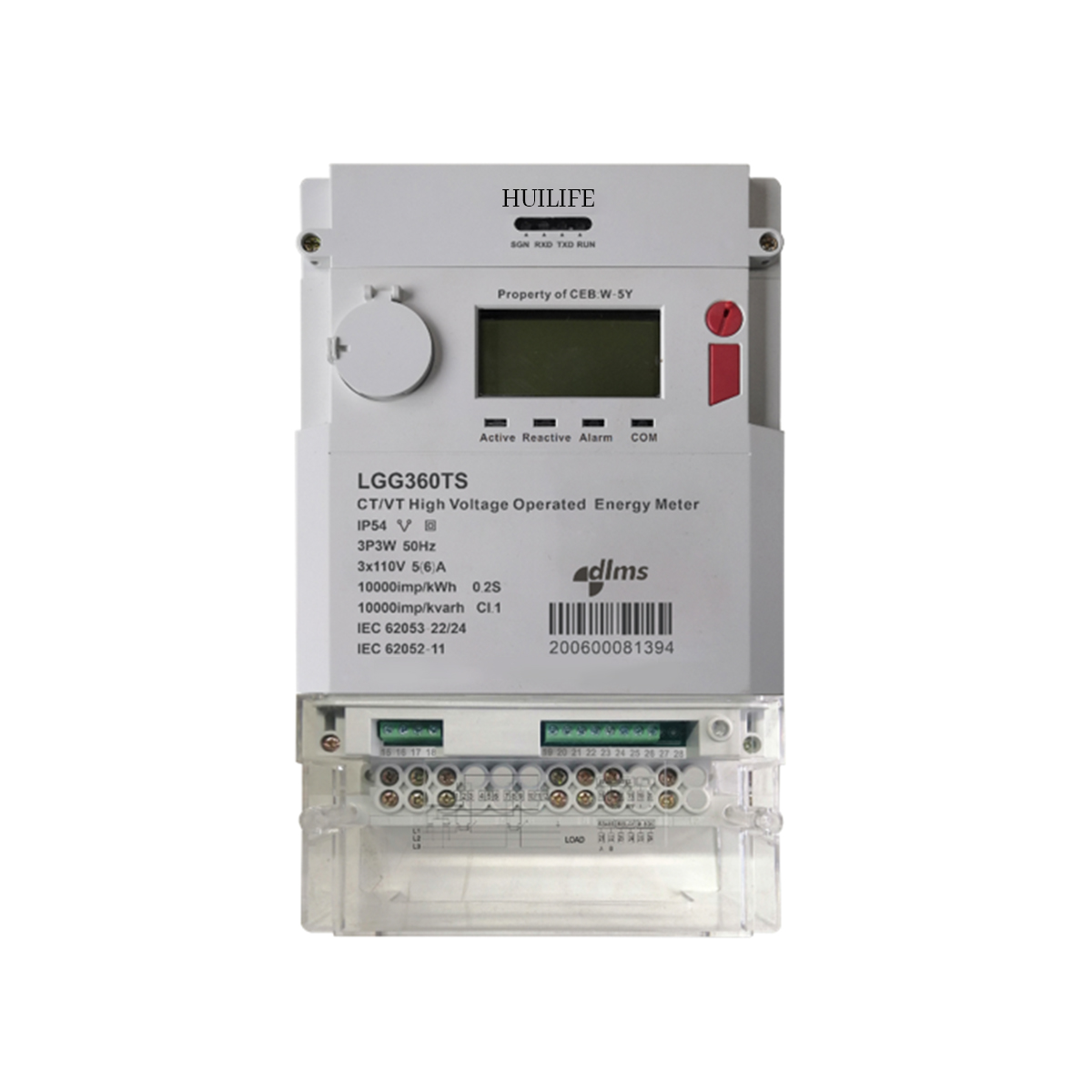
Can a Smart Meter Work Without Internet?
Smart energy meters are designed to function effectively even without an internet connection. This capability is essential for users in areas where internet access is unreliable or nonexistent. Let’s explore how these devices operate offline and what features allow them to maintain their functionality.
Detailed Explanation of Offline Functionality
Smart meters, such as the Penghui 360TS, have independent core metering capabilities. They continuously monitor energy consumption, providing accurate readings without needing to connect to the internet. Here’s how they manage this:
● Core Metering Functions: These devices measure electricity, gas, or water usage in real-time. They rely on built-in sensors and processors, ensuring they can operate autonomously.
● Data Collection: Even without internet access, smart meters gather data consistently. They record usage patterns and can identify anomalies, such as unexpected spikes in consumption.
Offline Data Storage and Retrieval
One of the standout features of smart energy meters is their ability to store data locally. This is crucial for ensuring that users can access their energy information at any time:
● Event Recording: Smart meters can log significant events, such as power outages or surges. This information is invaluable for troubleshooting and understanding energy usage over time.
● Alarm Functionalities: Alerts can be set for unusual consumption levels or potential tampering. These alarms help users stay informed about their energy usage and security.
Examples of Scenarios Without Internet
There are several practical scenarios where smart energy meters operate effectively without an internet connection:
● Rural Areas: In remote regions, internet connectivity can be spotty. Smart meters ensure that users still receive accurate readings and monitoring capabilities.
● Temporary Installations: Construction sites or temporary facilities often lack stable internet. Smart meters can provide essential data during these periods, aiding in energy management.
● Emergency Situations: During natural disasters, internet services may be disrupted. Smart meters continue to function, allowing users to track their energy consumption and respond accordingly.
Key Features of Smart Energy Meters
Feature | Description |
Independent Operation | Functions autonomously without internet |
Local Data Storage | Retains usage data for later retrieval |
Event Logging | Records significant events and anomalies |
Alarm Notifications | Alerts users to unusual consumption or tampering |
Smart energy meters like the Penghui 360TS are built to ensure reliability and performance, even in challenging conditions. Their offline capabilities not only enhance user experience but also contribute to better energy management practices. By providing essential data without relying on internet connectivity, these devices empower users to take control of their energy consumption effectively.
Advantages of Smart Meters Operating Without Internet
Smart energy meters are increasingly recognized for their ability to function effectively without an internet connection. This capability brings several advantages, especially in areas where internet service is unreliable or nonexistent. Let’s explore the key benefits of smart meters operating offline.
Reliability in Unstable Internet Areas
For many users, especially in rural or remote locations, internet connectivity can be a challenge. Smart energy meters shine in these situations:
● Consistent Performance: Smart meters like the Penghui 360TS continue to operate seamlessly, ensuring accurate readings regardless of internet availability.
● User Confidence: Knowing that their energy monitoring system will work without interruption gives users peace of mind, especially during critical periods of energy usage.
Continuous Data Recording and Monitoring
One of the standout features of smart energy meters is their ability to record and monitor data continuously, even offline. Here’s how it works:
● No Data Loss: These devices store usage data locally, ensuring that no information is lost during internet outages. Users can access this data later when connectivity is restored.
● Detailed Insights: Continuous monitoring allows users to track energy consumption patterns over time. This data is crucial for identifying trends and making informed decisions about energy use.
Enhanced Security and Privacy
Another significant advantage of smart meters operating without internet access is enhanced security. Here’s what this means for users:
● Reduced Vulnerability: By not relying on internet connections, smart meters are less susceptible to cyberattacks. This is particularly important for protecting sensitive energy usage data.
● Privacy Assurance: Users can feel more secure knowing their data is stored locally and transmitted only through secure channels. The design of devices like the Penghui 360TS emphasizes this aspect, ensuring that user privacy is prioritized.
Key Benefits Summary
Advantage | Description |
Reliability | Operates consistently in areas with poor internet |
Continuous Monitoring | Stores data locally, preventing loss during outages |
Enhanced Security | Reduced risk of cyberattacks and improved privacy |
Smart energy meters provide significant advantages when operating without internet connectivity. Their reliability, continuous data recording, and enhanced security features make them an excellent choice for users seeking efficient energy management solutions. As we continue to embrace technology in our energy systems, the offline capabilities of smart meters ensure that users can maintain control over their energy usage effectively.
Offline Features of Smart Energy Meters
Smart energy meters are designed to provide essential functionalities even without internet connectivity. This capability is particularly valuable in areas where internet access is inconsistent or unavailable. Let’s explore the key offline features of these devices and how they benefit users.
Overview of Functionalities Available Without Internet
Smart energy meters like the Penghui 360TS offer a range of functionalities that continue to operate offline. Here’s what users can expect:
● Event Recording: These meters can log up to 100 standard event records. This feature allows users to track significant occurrences, such as power outages or surges, providing a clear history of energy usage events.
● Alarm Notifications: Smart meters can generate alarms for various conditions, such as unusual consumption patterns or potential tampering. This ensures that users are alerted to any issues promptly, even without internet access.
Anti-Tamper Measures and Local Monitoring
Security is a top priority for smart energy meters, especially in commercial and industrial settings. Here’s how they enhance security:
● Anti-Tamper Measures: Smart meters are equipped with features that detect unauthorized access or tampering. This is crucial for businesses that need to protect their energy data and ensure accurate billing.
● Local Monitoring: Users can monitor their energy usage in real-time, even when offline. This local monitoring capability helps businesses make informed decisions about energy management without relying on external connectivity.
Importance of These Features for Remote or Rural Users
For users in remote or rural areas, the offline capabilities of smart energy meters are particularly significant:
● Continuous Functionality: In regions where internet service may be unreliable, smart meters ensure that energy monitoring remains consistent. This reliability is essential for effective energy management.
● Commitment to Robust Solutions: Companies like Penghui emphasize the importance of creating durable and reliable solutions. Their smart meters are designed to meet the needs of users in diverse environments, ensuring that everyone can benefit from advanced energy management tools.
Key Features Summary
Feature | Description |
Event Recording | Logs up to 100 standard events |
Alarm Notifications | Alerts for unusual consumption or tampering |
Anti-Tamper Measures | Detects unauthorized access |
Local Monitoring | Real-time usage tracking without internet |
Smart energy meters provide essential offline features that enhance their usability and reliability. By focusing on event recording, alarm functionalities, and security measures, these devices ensure that users can effectively manage their energy consumption, regardless of internet availability. This commitment to robust solutions makes smart meters an invaluable asset for both residential and commercial users.
Conclusion
Smart energy meters can operate effectively without internet connectivity. They provide essential functionalities, such as event recording and alarm notifications.
These meters ensure reliability, especially in areas with unstable internet. Devices like those from Hunan Penghui exemplify this independence and robustness.
Considering a smart meter can enhance your energy management efficiency. They offer peace of mind and continuous monitoring, regardless of internet availability.
FAQs About Smart Energy Meter
Q1: Do I need to worry about my smart meter if the internet goes down?
A: No, smart meters like Penghui’s 360TS continue to function during outages, recording data locally and ensuring reliable monitoring.
Q2: How does a smart meter communicate with my energy supplier without internet?
A: Smart meters use secure networks to transmit data, employing dedicated communication protocols for reliable information transfer.
Q3: Can I still read my energy usage without internet?
A: Yes, users can access energy usage through the local display on the smart meter, ensuring continued visibility of consumption data.
Q4: What should I do if my smart meter is not transmitting data?
A: Check connections and reset the device. If issues persist, contact your utility provider for assistance.


