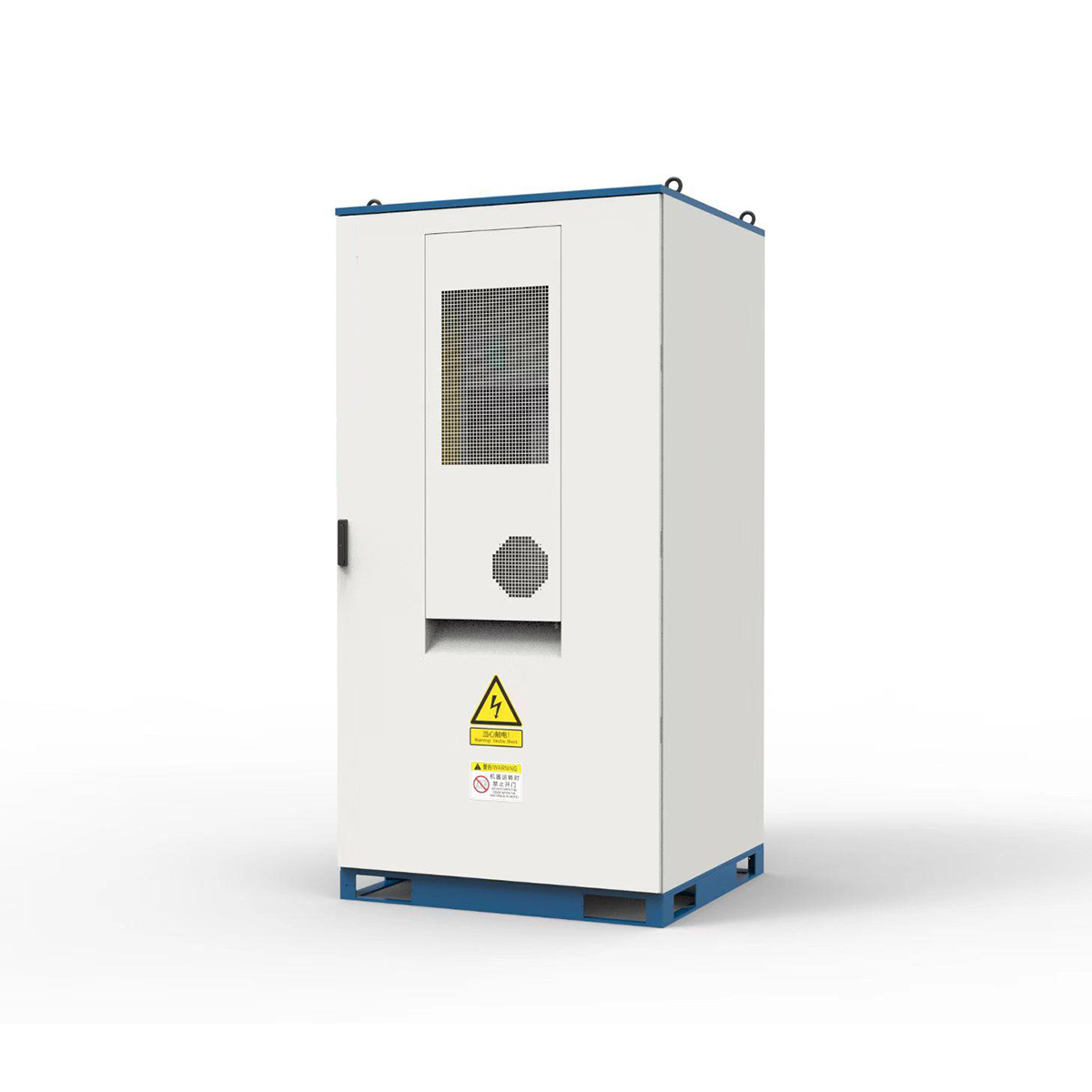
Facility managers and CFOs face a distinct challenge today. They do not just need a simple backup battery. They require a highly functional, financially viable energy asset. The 2024–2025 market landscape for commercial and industrial storage shows promising shifts. Global supply chains have finally stabilized. Furthermore, lithium-ion economics look increasingly favorable for businesses seeking energy independence.
However, evaluating these systems requires moving past basic definitions. You must conduct a strict bottom-line analysis. We will explore capital expenditures (CAPEX) and long-term operating expenses (OPEX). We will also outline realistic payback periods for modern installations. By understanding these financial drivers, you can make smarter procurement decisions. You will learn exactly what dictates market pricing. More importantly, you will discover how to measure true returns on your energy investments.
Key Takeaways
Baseline Pricing: Current C&I battery energy storage system cost typically ranges between $300 to $600+ per kWh fully installed, highly dependent on scale and site complexities.
Hardware vs. Soft Costs: Battery modules only account for 40-50% of total costs; inverters, EMS, installation, and permitting make up the rest.
Hidden TCO: A true evaluation must include OPEX factors like HVAC cooling, capacity augmentation, and software licensing over a 10-15 year lifecycle.
ROI Drivers: Commercial systems pay for themselves primarily through demand charge management (peak shaving) and utility revenue stacking, with average payback periods of 4 to 7 years in optimal markets.
The Baseline: 2025 Pricing for a C&I Battery Energy Storage System
Understanding current market pricing forms the foundation of any feasibility study. The exact C&I battery energy storage system cost fluctuates based on several core variables. You must look at the fully installed price rather than just bare hardware quotes.
The $/kWh Benchmark
In 2025, turnkey commercial installations generally fall between $300 and $600 per kilowatt-hour. A compact 250kW/500kWh setup naturally prices out differently than a massive 1MW/2MWh system. Smaller systems sit at the higher end of this per-unit range. They carry fixed soft costs spread over fewer kilowatt-hours. Below is a simplified comparison chart.
Table 1: Estimated 2025 CAPEX Ranges by System Size
System Scale
Power / Capacity
Estimated $/kWh Range
Estimated Total CAPEX
Small Commercial
100kW / 200kWh
$500 - $700
$100,000 - $140,000
Medium Industrial
250kW / 500kWh
$400 - $550
$200,000 - $275,000
Large Industrial
1MW / 2MWh
$300 - $450
$600,000 - $900,000
Economy of Scale
Pricing follows a non-linear curve. As you increase the storage footprint, the per-unit cost drops. Manufacturers offer bulk discounts on battery cells and enclosures. However, larger systems increase overall site engineering requirements. You will spend more on concrete pads, trenching, and high-capacity switchgear.
C&I vs. Utility Scale
Commercial setups cost more per kWh than massive front-of-the-meter utility projects. Utility systems buy raw materials by the gigawatt-hour. Commercial projects require bespoke site integration. They also demand specialized commercial-grade safety compliance and compact urban packaging. These unique requirements drive up the baseline cost.
Breaking Down the CAPEX: What Exactly Are You Funding?
Buyers often assume the battery cells make up the entire budget. In reality, a functional commercial energy storage system consists of distinct hardware and service layers.
Battery Racks & Enclosures (40-50%)
The physical energy storage modules consume about half the budget. Lithium Iron Phosphate (LFP) dominates this space. LFP offers superior thermal stability and longer lifespans compared to older NMC chemistries. This category also covers thermal management enclosures. You must choose between traditional HVAC air cooling and advanced liquid cooling. Liquid cooling costs more upfront but provides superior temperature regulation.
Power Conversion Systems (PCS) & Inverters (15-20%)
Batteries store direct current (DC). Your facility runs on alternating current (AC). The PCS bridges this gap. AC-coupled architectures are easier to retrofit into existing buildings. DC-coupled systems integrate directly into solar arrays. DC systems often cost less overall but require complex initial design.
Energy Management Systems (EMS) (5-10%)
Hardware does nothing without instructions. The EMS serves as the brain of your setup. This software executes complex revenue-generating strategies. It decides exactly when to charge and discharge. Investing in a premium EMS ensures you capture maximum utility bill savings.
Soft Costs & EPC (20-30%)
Engineering, Procurement, and Construction (EPC) expenses consume the remainder of your CAPEX. You are funding necessary grid interconnection studies. You also pay for specialized electrical labor and local building permits. Never underestimate these costs during initial budget planning.
The Hidden OPEX: Reality Check
Capital expenses only tell part of the financial story. You must account for ongoing operational expenses over a 10 to 15-year lifecycle. Ignoring OPEX leads to deeply flawed payback models.
Maintenance & Servicing
Systems require routine checkups. Annual preventative maintenance prevents catastrophic failures. Technicians must inspect thermal systems and clean cooling vents. They also perform necessary inverter servicing. Budget a fixed annual percentage of your CAPEX for these baseline costs.
Capacity Augmentation
All batteries degrade over time. LFP cells lose a fraction of their capacity each year. To maintain guaranteed energy output, you must plan for capacity augmentation. Facility managers typically add new battery racks between years five and seven. This strategic injection ensures the system continues meeting facility load demands.
Software & Connectivity
Your EMS requires a constant data connection. Manufacturers typically charge ongoing Software-as-a-Service (SaaS) fees. These fees cover algorithm updates and secure cellular telemetry plans. Continuous connectivity allows off-site engineers to monitor cell health and optimize discharge algorithms.
Insurance & Warranties
Commercial energy assets require specialized insurance coverage. Premiums vary based on location and system size. Additionally, buyers often purchase extended performance guarantees. These warranties protect against premature cell degradation. They provide financial peace of mind but add to your annual operating budget.
C&I ESS Economics: Justifying the Cost Through ROI
A well-designed C&I ESS is not just a sunk cost. It acts as an active financial instrument. Facilities recover their investment through several distinct economic mechanisms.
Demand Charge Management (Peak Shaving)
Utilities hit commercial customers with steep demand charges based on their highest 15-minute usage window. Peak shaving directly targets this expense. The battery discharges during these critical moments. It flattens the facility's load profile. This action mathematically reduces the monthly utility bill, often saving thousands of dollars per billing cycle.
Energy Arbitrage (Time-of-Use)
Many regions enforce Time-of-Use (TOU) pricing. Power costs significantly more during late afternoon hours. Energy arbitrage leverages this structure. The battery charges overnight when electricity is cheap. It then powers the facility during expensive afternoon hours. This simple shifting mechanism generates consistent daily savings.
Revenue Stacking & Grid Services
Your system can transition from a defensive cost-saver to an active revenue generator. Grid operators pay facilities to participate in demand response programs. When the grid faces stress, you agree to discharge battery power. Stacking these grid service payments on top of peak shaving drastically accelerates your return on investment.
Tax Credits & Incentives
Government incentives heavily alter final net costs. Federal programs, such as the US Investment Tax Credit (ITC), offer substantial rebates. Local state incentives can further reduce upfront burdens. Factoring these credits into your financial model often shortens the payback period from eight years down to just four or five.
Implementation Risks: What Drives Up Installation Costs?
Every facility presents unique integration challenges. Unforeseen site conditions rapidly inflate installation budgets. You must identify these risks early in the planning phase before committing to a battery storage solution.
Site-Specific Electrical Upgrades
Aging commercial infrastructure often blocks seamless integration. Older buildings may require brand new switchgear. You might need step-up transformers to handle the sudden power flows. Discovering these electrical deficits late in the project adds unexpected six-figure expenses to your total budget.
Interconnection Delays
Utilities must approve your system before it connects to the grid. This interconnection process moves slowly. Approval bottlenecks can stall projects for months. Extended timelines inflate carrying costs. They also delay your projected return on investment. Early utility engagement remains absolutely critical.
Compliance and Fire Safety (NFPA 855)
Local fire codes dictate exact system placement. Stringent standards like NFPA 855 enforce strict clearance rules around battery enclosures. Inspectors might force costly spatial redesigns. In dense commercial zones, you may need to install advanced blast walls or specialized fire suppression loops. These safety mandates directly impact your final EPC costs.
How to Shortlist a Commercial Energy Storage Vendor
Choosing the right hardware partner determines long-term success. The market features dozens of manufacturers, but quality varies wildly. You need a structured evaluation approach.
Bankability & Track Record
You expect your system to last 15 years. You need a manufacturer who will survive that long. Always evaluate the financial health of the vendor. Prioritize Tier 1 manufacturers with proven global track records. A 15-year warranty holds zero value if the issuing company goes bankrupt in year three.
Turnkey vs. Component Sourcing
Buyers face two main procurement routes. You can buy an all-in-one package or piece together third-party components.
Turnkey Systems: These packaged solutions carry an upfront premium. However, the manufacturer guarantees compatibility between the battery, inverter, and EMS.
Component Sourcing: Buying separate parts looks cheaper on paper. Yet, it introduces massive integration risks. You bear the burden if the software fails to communicate with the hardware.
For most facilities seeking an industrial battery storage asset, turnkey solutions offer the safest path forward.
Next Steps
Never request an RFP without data. Start by performing a detailed load profile analysis. Collect 15-minute interval data from your utility provider. Conduct a thorough site energy audit. Clear data allows vendors to size the system accurately and provide realistic pricing models.
Conclusion
Investing in commercial energy storage requires substantial capital upfront. However, the long-term financial viability depends entirely on site-specific utility rates and intelligent EMS operation. When designed correctly, these systems neutralize peak demand charges and unlock lucrative grid service revenues. They transform unpredictable power bills into manageable, forecastable expenses.
Do not rely on rough estimates to make your final decision. Your next step should be requesting a custom techno-economic feasibility study. Use your facility's actual interval data to model realistic ROI scenarios. By moving from theoretical pricing to data-driven modeling, you ensure your energy asset delivers exactly as promised.
FAQ
Q: Can a commercial battery system take my facility completely off-grid?
A: Typically, no. Most commercial setups operate as grid-tied systems designed for demand management and peak shaving. They lower utility bills but rely on the grid for baseline power. Achieving complete microgrid independence requires significantly larger battery capacities and massive renewable generation arrays. Staying grid-tied usually offers a better financial return.
Q: How long does a C&I battery storage system last?
A: Commercial systems generally operate for 10 to 15 years. Performance depends on the discharge frequency and ambient temperatures. Lithium Iron Phosphate (LFP) cells degrade slowly over time. Most Tier 1 manufacturers provide standard performance warranties covering 10 years or a specific cycle count.
Q: Is it better to lease or buy an industrial battery system?
A: It depends on your capital availability. Direct CAPEX purchasing yields the highest long-term ROI and allows you to claim tax credits. Leasing, often structured as Energy-as-a-Service (EaaS), requires zero upfront capital. EaaS models allow you to share utility savings with the provider immediately.
Q: Does battery chemistry affect the final price?
A: Yes. Lithium Iron Phosphate (LFP) has become the commercial standard. LFP costs slightly less to manufacture than older Nickel Manganese Cobalt (NMC) cells. More importantly, LFP offers superior thermal safety and longevity, reducing expensive cooling and fire mitigation requirements during installation.