Are smart energy meters the future of energy management, or do they come with hidden downsides? While these devices promise efficiency and cost savings, it's crucial to explore their potential drawbacks. In this post, we’ll discuss the various concerns surrounding smart energy meters, including privacy issues, financial implications, and technical reliability. Understanding these factors will help you make an informed decision about whether a smart energy meter is right for you.
Understanding Smart Energy Meters
What is a Smart Energy Meter?
A smart energy meter is a digital device that records energy consumption in real-time. Unlike traditional meters, which require manual readings, smart meters automatically send usage data to your energy provider. This technology allows for seamless communication and accurate billing.
Comparison with Traditional Meters:
● Manual vs. Automatic: Traditional meters require manual readings, leading to estimated bills. Smart meters eliminate this by providing real-time data.
● Data Access: Users can access their consumption data anytime via online portals or apps, promoting better energy management.
● Two-Way Communication: Smart meters communicate directly with energy suppliers, enabling quicker responses to outages or issues.
The importance of real-time data collection cannot be overstated. It empowers consumers to monitor their usage patterns and adjust behaviors to save energy and costs. For example, if you notice high consumption during peak hours, you can shift usage to off-peak times, maximizing savings.
Benefits of Smart Energy Meters
Smart energy meters offer several advantages that can enhance both individual and environmental outcomes.
Improved Energy Monitoring and Management:
● Real-Time Insights: Users have access to live data, allowing for immediate adjustments.
● Usage Patterns: Understanding when and how energy is consumed helps in making informed decisions.
● Alerts for Abnormal Usage: Notifications for unusual spikes in consumption can prevent surprises on bills.
Cost Savings and Billing Accuracy:
● Elimination of Estimated Bills: Accurate billing means you only pay for what you use.
● Time-of-Use Tariffs: Smart meters enable dynamic pricing, allowing users to save by using energy during off-peak hours.
● Long-Term Savings: While initial costs may be higher, the potential for savings over time is significant.
Environmental Benefits:
● Integration with Renewable Energy Sources: Smart meters facilitate the use of solar panels and other renewables. They help track energy generation and consumption effectively.
● Reduced Carbon Footprint: By optimizing energy usage, users can contribute to lower emissions.
● Support for Energy Efficiency Programs: Many utilities offer incentives for customers who adopt energy-saving measures based on smart meter data.
Table: Key Features of Smart Energy Meters
Feature | Smart Energy Meter | Traditional Meter |
Data Collection | Real-time | Manual |
Communication | Two-way | One-way (manual reporting) |
Billing Accuracy | High | Variable (estimated bills) |
User Access | Online/App access | No online access |
Alerts for Usage Spikes | Yes | No |
Incorporating smart energy meters into your home or business can lead to substantial benefits. Companies like Hunan Penghui Intelligent Energy Technology Co., Ltd. are at the forefront, offering innovative solutions that enhance energy management and sustainability. By adopting smart meters, you not only improve your energy efficiency but also contribute to a greener planet.
With these advantages, it’s clear why smart energy meters are becoming increasingly popular among consumers and businesses alike. They transform how we interact with energy, making it more manageable and sustainable.
Potential Downsides of Smart Energy Meters
Privacy and Data Security Concerns
Smart energy meters collect detailed data about your energy usage patterns, which can raise significant privacy concerns. These devices monitor consumption in real-time, storing sensitive information that could be vulnerable to breaches.
● Data Collection: Smart meters gather data continuously, tracking when you use energy, how much you consume, and even your daily habits. This level of detail can provide valuable insights but also poses risks if mishandled.
● Risks of Data Breaches: Unauthorized access to this data can lead to identity theft or other malicious activities. Cybersecurity threats are a genuine concern, as hackers may exploit vulnerabilities in the system.
● Behavioral Tracking: Consumers worry that their habits could be monitored, leading to targeted marketing or intrusive practices. The fear of being profiled based on energy usage can deter some from embracing this technology.
Hunan Penghui Intelligent Energy Technology Co., Ltd. takes these issues seriously. Their commitment to data security includes robust encryption methods and strict access controls, ensuring that user data remains confidential and protected from unauthorized access.
Financial Implications
While smart energy meters can lead to savings, there are several financial factors to consider that may impact consumers.
● Initial Installation Costs: The upfront costs for smart energy meters can be higher than traditional meters. Installation fees, equipment costs, and any necessary upgrades to home wiring can add up. However, many users find that the long-term savings often justify this initial investment.
● Time-of-Use Tariffs: Smart meters enable dynamic pricing structures, which can lead to higher bills during peak hours if not managed properly. Consumers may end up paying significantly more if they don’t adjust their consumption habits to take advantage of lower rates during off-peak times.
● Billing Inaccuracies: There have been reports of disputes regarding smart meter readings. Sometimes, consumers receive unexpectedly high bills due to errors or miscommunication between the meter and the provider. These inaccuracies can lead to frustration and distrust in the technology.
Technical Reliability Issues
Technical reliability is another area of concern for users, as smart energy meters depend on consistent performance.
● Connectivity Problems: In rural areas, smart meters may struggle with connectivity, leading to data transmission issues. This can result in delayed updates or inaccurate readings, undermining the benefits of real-time monitoring.
● “Turning Dumb”: If you switch energy suppliers, some smart meters may revert to basic functionality, losing their smart features. This transition can cause confusion and disrupt the efficiency these devices are meant to provide.
● Common Glitches: Users report occasional malfunctions, such as incorrect readings or failure to communicate with the energy provider. These glitches can disrupt service and lead to billing discrepancies, causing unnecessary stress for consumers.
Penghui designs its products with reliability in mind, integrating advanced features that enhance connectivity and reduce the chance of technical failures. Their commitment to quality ensures that users experience minimal disruptions.
Health Concerns
Health-related fears often accompany the introduction of new technology, particularly when it comes to devices that emit electromagnetic frequencies.
● EMF Radiation: Some consumers express concerns about electromagnetic frequency (EMF) radiation emitted by smart meters. While the levels are generally considered safe by regulatory agencies, fear persists among certain groups.
● Regulatory Perspectives: Regulatory bodies, such as the Federal Communications Commission (FCC), typically deem smart meters safe. However, public perception can vary widely based on individual beliefs and experiences.
● Public Fears: The debate around health impacts continues, with some advocating for more research into long-term effects. This ongoing discussion can create anxiety among consumers who are unsure about the safety of smart meters.
Penghui addresses these concerns through thoughtful product design, ensuring their meters comply with safety standards to minimize any potential health risks. They provide resources and information to educate consumers about the safety of their products.
Operational Challenges
Operational challenges can significantly affect user experience and satisfaction.
● Maintenance Requirements: Smart energy meters require regular maintenance to ensure accuracy and functionality. Users must be aware of the need for periodic checks and updates, which can be inconvenient.
● Customer Service Issues: Some users report difficulties in getting timely support for technical problems. Delays in response can lead to frustration, especially when issues arise that impact energy billing.
● Compatibility: Ensuring compatibility with existing electrical systems can be a hurdle for some installations. Older homes may require upgrades or modifications to accommodate new smart meter technology.
Penghui’s after-sales service network is designed to support customers effectively. They offer timely assistance, ensuring that any issues are resolved quickly and efficiently, which helps maintain customer satisfaction.
Table: Key Concerns About Smart Energy Meters
Concern | Description | Potential Impact |
Privacy and Data Security | Risks of data breaches and unauthorized access | Identity theft, targeted marketing |
Financial Implications | Higher initial costs and potential for increased bills | Budgeting challenges |
Technical Reliability Issues | Connectivity problems and potential malfunctions | Service disruptions |
Health Concerns | EMF radiation debates and public perception | Consumer anxiety |
Operational Challenges | Maintenance and customer service issues | Frustration and dissatisfaction |
Smart energy meters come with their share of challenges. Understanding these potential downsides helps consumers make informed decisions about their energy management solutions. With companies like Hunan Penghui leading the way, advancements in technology aim to address these concerns while enhancing the benefits of smart energy meters.
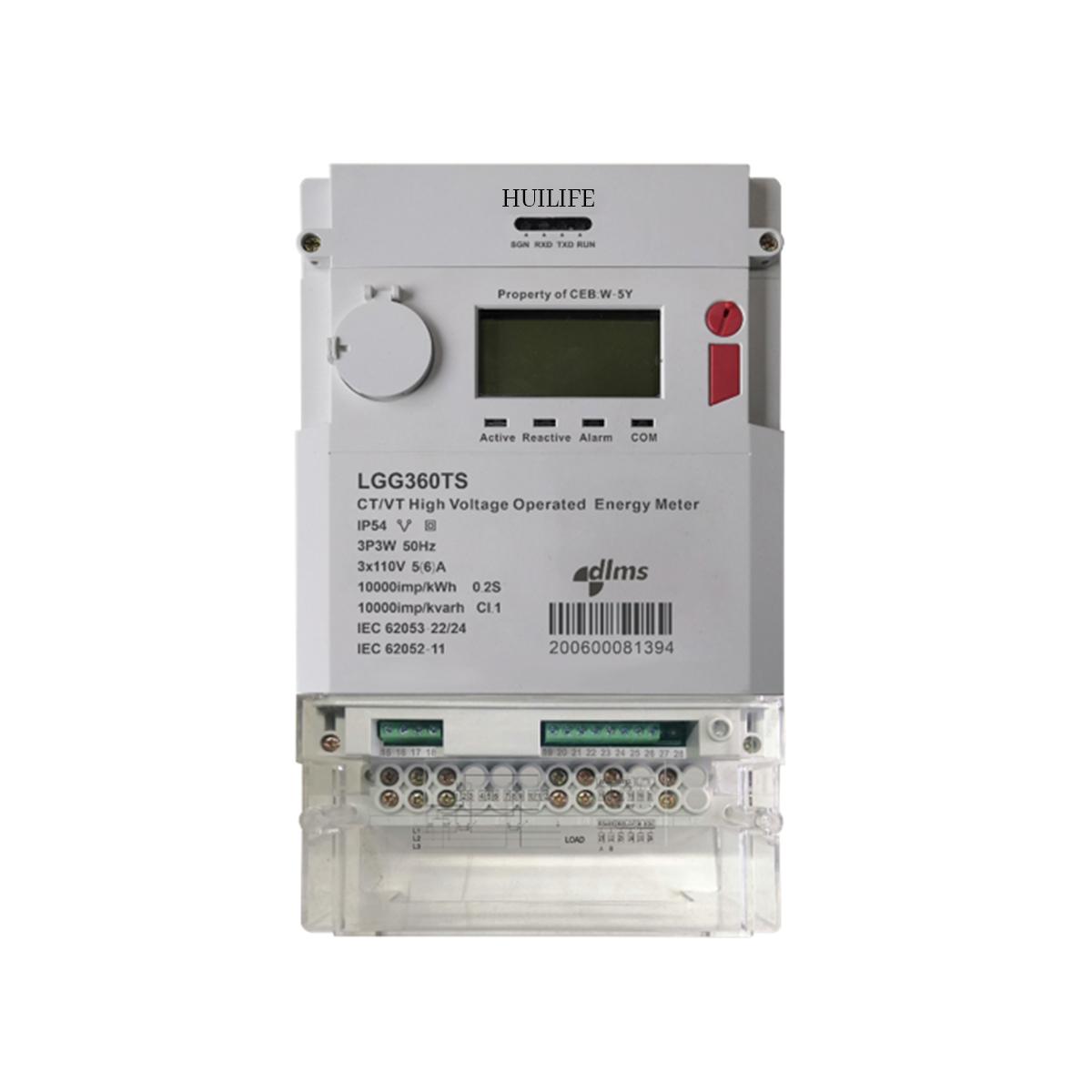
Addressing the Downsides: Solutions and Mitigations
Enhancing Data Security
Protecting data privacy is crucial for users of smart energy meters. Here are some effective strategies to enhance data security:
● Recommendations for Consumers:
○ Use strong, unique passwords for online accounts related to your smart meter.
○ Regularly update passwords and enable two-factor authentication when available.
● Importance of Encryption:
○ Ensure that your smart energy meter uses encryption for data transmission. This protects your information from being intercepted during communication.
● Penghui’s Compliance:
○ Hunan Penghui Intelligent Energy Technology Co., Ltd. adheres to the DLMS/COSEM open protocol, which ensures secure data transmission and enhances user confidence in data protection.
Understanding Billing Structures
Navigating billing structures can be complex, but smart energy meters can help you manage costs effectively.
● Time-of-Use Tariffs:
○ Familiarize yourself with your utility's pricing structure. Time-of-use tariffs can lead to savings if you shift energy use to off-peak hours.
○ Monitor your usage patterns to identify peak consumption times and adjust accordingly.
● Tips for Optimizing Energy Usage:
○ Use smart appliances that can operate during off-peak hours. For example, running your dishwasher or laundry machine late at night can save you money.
○ Set reminders to check your energy consumption regularly through the smart meter’s app or online portal.
● Avoiding Estimated Billing:
○ Smart meters provide accurate readings, which helps avoid estimated bills. Regularly review your consumption data to catch any discrepancies early.
Ensuring Technical Reliability
Choosing a reliable service provider is essential for the optimal performance of your smart energy meter.
● Selecting Reputable Providers:
○ Research and choose energy suppliers known for their reliability and customer support. Look for reviews and ratings to gauge their performance.
● Regular Maintenance:
○ Schedule periodic maintenance checks for your smart meter to ensure it functions correctly. This includes firmware updates that can fix bugs and enhance performance.
● Penghui's Focus on Precision:
○ Penghui emphasizes high-precision metering technology to minimize inaccuracies in readings. Their products are designed to deliver reliable data consistently.
Health and Safety Measures
Concerns about the health impacts of smart meters are common, but there are ways to address these fears.
● Educational Resources on EMF Radiation:
○ Consumers can access educational materials that explain electromagnetic frequency (EMF) radiation and its safety levels. Understanding the science behind it can alleviate concerns.
● Addressing Health Concerns:
○ Make informed decisions based on credible research. Consult with health professionals if you have specific concerns about EMF exposure.
● Penghui's Commitment to Safety:
○ Hunan Penghui ensures that their products meet safety standards, focusing on durability and user safety. Their meters are designed to minimize any potential health risks.
Table: Key Solutions for Addressing Smart Meter Downsides
Concern | Solutions | Benefits |
Data Security | Strong passwords, encryption, two-factor authentication | Enhanced privacy and data protection |
Billing Structures | Understanding tariffs, optimizing usage | Cost savings and accurate billing |
Technical Reliability | Choosing reputable providers, regular maintenance | Consistent performance and accuracy |
Health and Safety Measures | Educational resources, informed decisions | Alleviated health concerns |
By taking proactive steps, consumers can effectively address the potential downsides of smart energy meters. With companies like Hunan Penghui leading the way in innovation and safety, users can enjoy the benefits of smart technology while minimizing risks.
Conclusion
Smart energy meters offer significant advantages, such as real-time data and accurate billing. However, they also come with potential downsides, including privacy concerns and technical issues.
When considering a smart energy meter, it's essential to weigh these pros and cons carefully.
Ultimately, each consumer should make an informed decision based on their unique circumstances and needs.
FAQ
Q: Can I revert to a traditional meter after installing a smart meter?
A: Yes, you can request a switch back to a traditional meter, but it may involve additional costs.
Q: How do smart meters impact my energy bills?
A: Smart meters provide accurate readings, helping to eliminate estimated bills and potentially lower costs through time-of-use tariffs.
Q: What should I do if my smart meter malfunctions?
A: Contact your energy provider immediately for troubleshooting and possible repairs or replacements.
Q: Are there any regulations protecting my data privacy with smart meters?
A: Yes, regulations exist to safeguard consumer data, including encryption and secure communication protocols.
Q: How can I maximize the benefits of my smart energy meter?
A: Monitor your usage patterns, optimize energy consumption during off-peak hours, and utilize available apps for insights.


