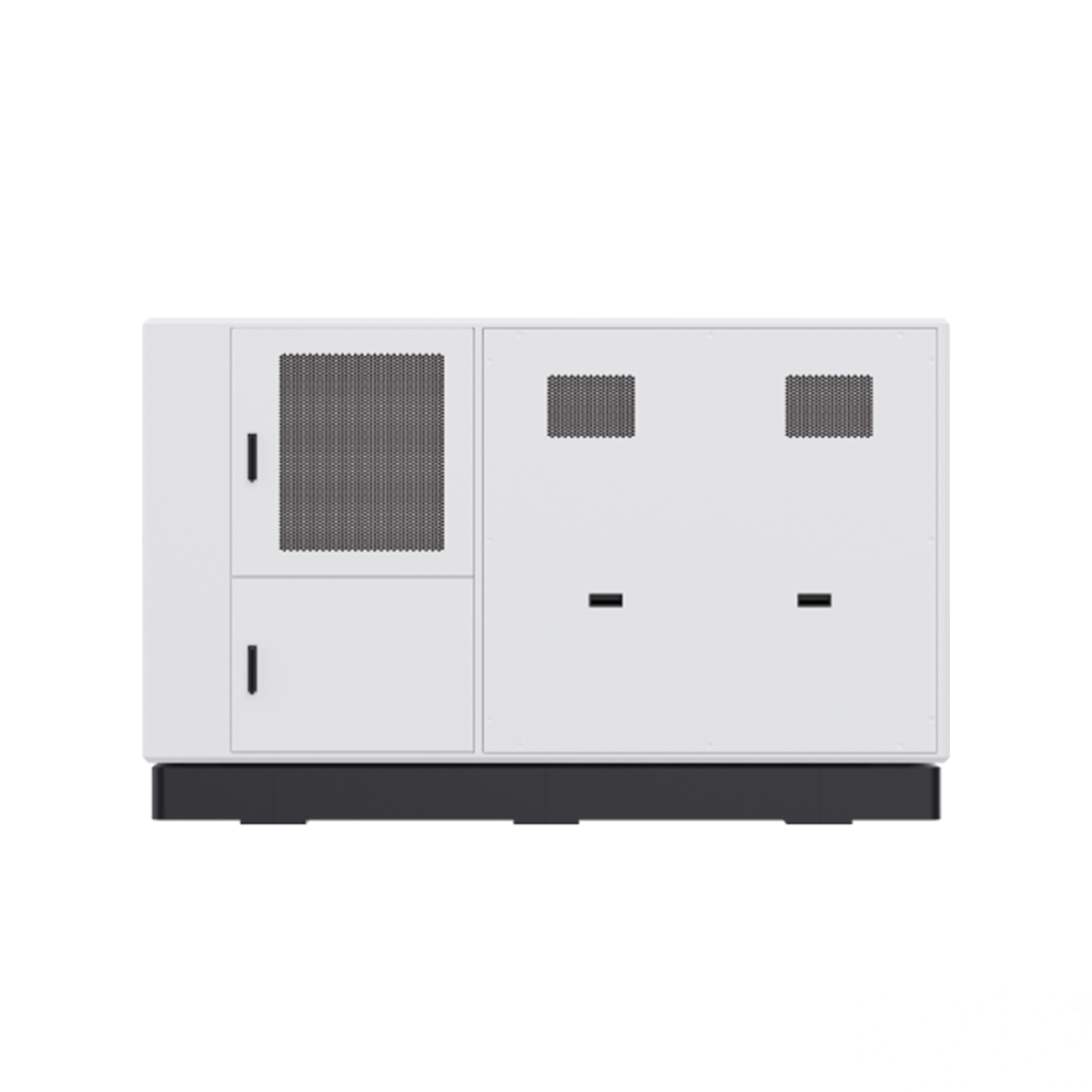
Industrial parks face a massive energy squeeze today. Escalating peak demand charges eat into operational budgets. Strict ESG mandates demand rapid decarbonization. Meanwhile, rigid grid capacity limits threaten to block business scaling and fleet expansion. To survive these pressures, facility operators are abandoning fragmented power upgrades. Instead, they are embracing unified microgrid ecosystems. This holistic approach stabilizes unpredictable utility costs. It also seamlessly supports rapid commercial fleet electrification. This article provides facility managers and energy directors an actionable, vendor-neutral framework to navigate these complex transitions. You will learn how to evaluate system architecture properly. We will help you assess hidden implementation risks realistically. Finally, you will discover how to calculate accurate ROI for a cohesive new energy solution deployment.
Key Takeaways
Deploying a unified new energy solution mitigates peak demand charges through intelligent load shifting and behind-the-meter optimization.
Integrating solar, storage, and EV charging reduces the need for costly utility-side grid infrastructure upgrades.
Accurate financial modeling requires conservative assumptions regarding battery degradation, utility interconnection timelines, and local tariff structures.
Scalability relies on open-protocol metering and modular hardware to accommodate future fleet expansions and critical data loads.
Defining the Baseline: Energy Challenges in Modern Industrial Parks
Modern industrial parks operate under intense electrical stress. Understanding your baseline energy challenges is the first step toward building a resilient microgrid.
Grid Volatility and Peak Demand
Utility pricing structures heavily penalize sudden power draws. Time-of-use (TOU) rates make electricity prohibitively expensive during late afternoon hours. Industrial facilities typically experience massive demand spikes. Heavy machinery powers up just as concurrent EV fleet charging begins. These overlapping events trigger severe peak demand charges. Often, these demand charges account for over half of a facility’s monthly utility bill. You cannot simply schedule around these operational necessities. You need active load management to flatten the consumption curve. Financial models must account for these TOU rate variations to accurately project future utility expenses.
Infrastructure Bottlenecks
Upgrading the grid from the utility side is remarkably slow. Front-of-the-meter upgrades often require new substations and heavier transmission lines. These utility projects can take several years to complete. They also carry exorbitant capital costs. Conversely, behind-the-meter assets offer incredible agility. Localized generation and storage allow you to bypass utility bottlenecks entirely. You install equipment directly on your property. This approach accelerates deployment timelines significantly. It grants you immediate control over your power supply. Facility operators gain energy independence while avoiding prolonged utility construction delays.
Critical Load Protection
Industrial parks no longer just house heavy machinery. They host complex facility automation networks, edge computing nodes, and advanced security grids. These digital systems cannot tolerate even momentary power blips. Grid events or rolling blackouts cause catastrophic data loss and operational downtime. Protecting these sensitive assets requires specialized hardware. Integrating a Basic Data Center Infrastructure Solution ensures zero downtime during grid outages. It provides conditioned power and thermal regulation for your critical IT loads. This localized protection keeps automated logistics and security systems online regardless of external grid stability.
Core Architecture of an Integrated New Energy Solution
A unified approach replaces isolated power systems with a responsive, interconnected microgrid. This architecture combines storage, generation, and mobile flexibility to meet dynamic operational demands.
Commercial & Industrial Energy Storage System (C&I ESS)
The foundation of your microgrid rests on robust battery technology. A reliable Commercial & Industrial Energy Storage System (C&I ESS) acts as the central brain for power distribution. Its primary functions include peak shaving, energy arbitrage, and emergency backup.
When evaluating these systems, battery chemistry dictates performance. Lithium iron phosphate (LFP) dominates the modern commercial market. LFP offers superior thermal stability compared to traditional nickel manganese cobalt (NMC) alternatives. It dramatically reduces fire risks in dense industrial settings. Additionally, LFP batteries boast a longer cycle life. They present a much flatter degradation curve over a ten-year lifespan. This durability ensures your storage capacity remains reliable as your facility ages.
Best practices for deploying storage include:
Sizing the battery to cover your top 20% historical peak load.
Ensuring the thermal management system utilizes active liquid cooling.
Isolating battery enclosures away from high-traffic logistics corridors.
Photovoltaic-Storage-Charging Integrated Solution
Standalone solar arrays often waste potential power. Creating a closed-loop ecosystem solves this inefficiency. A Photovoltaic-Storage-Charging Integrated Solution links onsite solar generation directly to battery storage and EV charging stations. This setup maximizes every kilowatt your roof generates.
Evaluation requires meticulous capacity balancing. You must size the PV array to match your facility's baseline loads. However, solar production peaks at midday when EV fleets might be deployed elsewhere. Without adequate storage, inverters clip and discard this excess energy. Balancing battery capacity prevents this stranded clipped energy. The system stores solar power during the day and dispenses it overnight to recharge returning fleets. This seamless integration slashes reliance on utility power and accelerates your ROI.
Mobile Integrated Energy Storage and Charging Equipment
Permanent installations take time to permit and build. Industrial parks often face immediate electrification pressures. Mobile Integrated Energy Storage and Charging Equipment bridges this gap perfectly. These deployable, off-grid units provide temporary fleet charging capacity.
They are invaluable for phased rollouts or locations awaiting permanent utility interconnections. Facility managers love their flexibility. You can physically move the capacity to different zones as operational layouts shift. When evaluating mobile options, consider the financial models. Leasing this equipment shifts the burden from capital expense (CapEx) to operational expense (OpEx). This strategy frees up cash flow while you wait for permanent microgrid approvals. It delivers immediate charging capabilities without the long-term commitment of fixed infrastructure.
The Role of the Smart Energy Meter in ROI Verification
You cannot optimize what you cannot measure. Advanced telemetry provides the visibility necessary to validate your energy investments and satisfy corporate reporting mandates.
Granular Data Capture
Standard utility meters only show aggregate monthly consumption. A modern Smart Energy Meter changes this paradigm entirely. It captures high-frequency interval data across multiple facility zones. This granularity isolates hidden energy waste. You can pinpoint exactly which machines cause irregular power spikes. Furthermore, this data verifies the performance of your storage dispatch algorithms. It proves whether your battery successfully shaved the peak load or missed the window. Real-time feedback allows operators to refine software settings for maximum financial return.
Dynamic Tariff Navigation
Utility rate structures constantly evolve. Fixed discharging schedules quickly become obsolete and unprofitable. Smart telemetry allows your system to navigate dynamic tariffs automatically. The meter monitors real-time grid pricing signals. It communicates with your energy management software to align battery discharging with the most expensive local utility rate tiers. If power prices surge unexpectedly, the system instantly switches from grid power to battery power. This automated response guarantees you always consume the cheapest available electrons.
Audit-Ready Reporting
Sustainability mandates require rigorous proof of compliance. Guesswork no longer satisfies corporate stakeholders or government regulators. Smart meters provide verifiable, timestamped data. This precise documentation is crucial for Scope 2 emissions tracking. It simplifies ESG compliance reporting by automatically generating accurate carbon offset metrics. Additionally, many state and federal rebate programs require strict performance verification. Audit-ready reports ensure you easily qualify for these lucrative financial incentives without administrative headaches.
Decision-Stage Evaluation Criteria and Vendor Shortlisting
Selecting the right partners determines the long-term viability of your microgrid. You must scrutinize vendors through strict technical, safety, and financial lenses.
Interoperability
Vendor lock-in paralyzes future expansion. You must verify that your Energy Management System (EMS) utilizes open communication protocols. Insist on industry standards like Modbus or SunSpec. Open protocols ensure hardware from different manufacturers talks to each other seamlessly. If your original battery vendor goes out of business, open interoperability allows you to integrate a different brand later. Never accept proprietary software ecosystems that restrict your future hardware choices.
Safety and Compliance Lenses
Industrial zoning laws impose strict physical constraints. You must audit fire suppression standards rigorously before purchasing hardware. Require UL 9540A certification for all battery enclosures. This standard verifies the system prevents thermal runaway propagation. Evaluate the localized thermal management systems closely. Liquid cooling generally outperforms forced air in harsh industrial environments. You must also consider physical footprint constraints. Ensure the equipment safely fits within mandatory property setbacks and utility right-of-way zones.
Financial Assumptions
Vendor proposals often paint an overly optimistic financial picture. You must stress-test their ROI claims thoroughly. Vendors frequently underestimate realistic operation and maintenance (O&M) costs. They might ignore standard inverter replacement cycles. Inverters typically fail and require replacement around year ten of a project. Factor this significant expense into your baseline model. Furthermore, account for potential utility rate structure changes. Utilities continuously restructure TOU windows to capture lost revenue. Stress-testing ensures your project remains profitable even if grid tariffs shift unfavorably.
Below is a standardized checklist to evaluate vendor proposals objectively:
Evaluation Category
Critical Metric
Red Flags to Avoid
Protocol Standards
Modbus/SunSpec Compliance
Proprietary APIs, closed software ecosystems
Safety Certification
UL 9540A Thermal Testing
Air-cooled only setups for dense environments
Maintenance Planning
10-Year Inverter Replacement inclusion
Ignoring mid-life hardware swap expenses
Performance Guarantee
Degradation curve contractual limits
Vague capacity retention promises
Implementation Risks and Deployment Realities
Even the best engineering designs face real-world friction. Anticipating implementation hurdles prevents budget overruns and timeline collapses.
Permitting and Interconnection
Bureaucracy remains the largest hurdle in energy projects. You must account for massive delays in local AHJ (Authority Having Jurisdiction) approvals. Fire marshals and building inspectors often lack familiarity with massive commercial battery systems. This knowledge gap extends review periods significantly. Similarly, utility grid-tie studies routinely take 6 to 12 months. Utilities must simulate how your system impacts local grid stability before granting interconnection permission. Initiate these applications immediately upon project funding to mitigate downstream delays.
Site Preparation
Physical site constraints break budgets quickly. You must assess structural load requirements before committing to rooftop PV arrays. Many older industrial roofs cannot support the added weight of ballasted solar panels without expensive steel reinforcement. Trenching costs represent another massive variable. Running EV conduits across existing concrete lots requires extensive saw-cutting and repaving. Do not underestimate environmental conditioning requirements. Battery enclosures need dedicated HVAC systems to maintain optimal temperatures. Ignoring site preparation complexities leads to massive change orders during construction.
Phased Rollout Strategy
Attempting a massive, facility-wide energy overhaul simultaneously rarely succeeds. A phased rollout strategy mitigates operational disruption and financial risk. Structure your procurement logically.
Begin by installing advanced metering infrastructure to capture baseline data.
Deploy scalable storage and solar modules to target your most expensive peak loads.
Introduce mobile charging units to support initial EV pilot programs.
Commit to full permanent fleet electrification only after verifying the underlying microgrid performance.
This systematic approach allows you to learn and adapt. It ensures each subsequent capital investment rests on proven operational success rather than theoretical models.
Deploy mobile EV chargers, finalize structural roof studies for PV.
Phase 3: Core Infrastructure
Months 9-15
Install PV arrays and C&I ESS, complete underground trenching.
Phase 4: Optimization
Months 16+
Activate EMS software, refine load shifting algorithms, decommission mobile units.
Conclusion
Transitioning to a cohesive energy architecture requires balancing immediate power resilience with long-term decarbonization goals. Fragmented upgrades no longer suffice for modern industrial parks. A unified system protects your bottom line against volatile grid pricing while enabling seamless fleet electrification.
To ensure a successful transition, keep these actionable next steps in mind:
Initiate comprehensive load profiling using high-frequency metering before designing any hardware systems.
Conduct thorough utility tariff audits to understand your true peak demand penalties.
Demand open-protocol architecture from all prospective vendors to guarantee future scalability.
Plan for extensive permitting and site preparation delays in your initial project roadmap.
By treating energy as an integrated ecosystem, facility operators can turn power management from a passive expense into an active competitive advantage.
FAQ
Q: What is the realistic payback period for a C&I ESS in an industrial park?
A: The payback period typically ranges from 4 to 7 years. This timeline depends heavily on local demand charges, utility incentives, and your facility's operational load profiles. High TOU rates and aggressive peak shaving strategies accelerate financial returns significantly.
Q: How does a Photovoltaic-Storage-Charging Integrated Solution handle extended grid outages?
A: The system utilizes islanding capabilities to disconnect from the dead grid safely. It relies on critical load prioritization software to keep essential systems running. However, performance limits depend entirely on your battery sizing and the available daily solar irradiance.
Q: Can Mobile Integrated Energy Storage and Charging Equipment replace permanent grid upgrades?
A: No. Mobile units serve as an interim or supplementary solution. They manage peak seasonal demands or support phased rollouts. They lack the scale and integration necessary to serve as a permanent baseline replacement for heavy industrial loads.
Q: What data does a Smart Energy Meter track that standard utility meters do not?
A: Smart meters capture high-frequency interval data and bi-directional energy flow. They monitor real-time phase balancing and provide precise sub-metering of specific facility zones. Additionally, they feature API integration, allowing seamless communication with modern facility management software.