Are you tired of unpredictable energy bills? Smart energy meters might be the solution you need. These innovative devices are revolutionizing how we manage electricity consumption.
Understanding smart energy meters is crucial for both consumers and utility companies. They offer real-time insights and accurate billing, enhancing energy management.
In this post, you’ll learn what a smart energy meter is, how it works, and why companies like Hunan Penghui Intelligent Energy Technology Co., Ltd. are leading the charge in this technology.
What is a Smart Energy Meter?
A smart energy meter is an advanced device designed to measure energy consumption in real-time. Unlike traditional meters, which only record total usage, smart meters provide detailed insights into energy patterns. This technology is crucial for both consumers and utility companies, as it enhances energy management and promotes efficiency.
Comparison with Traditional Energy Meters
Traditional energy meters have served us well for decades. However, they come with limitations:
● Manual Readings: Users need to manually check and report their energy consumption, leading to potential errors.
● Estimated Bills: Many utility companies rely on estimated readings, which can result in inaccurate billing.
● Lack of Insights: Traditional meters provide no real-time data, making it challenging for consumers to understand their energy usage.
In contrast, smart energy meters automatically collect and transmit data. This shift allows for accurate billing and better energy management.
Key Features of Smart Energy Meters
Smart energy meters come equipped with several key features that set them apart from traditional counterparts:
● Real-Time Data Collection: These meters continuously gather data on energy consumption. Users can access this information via mobile apps or online portals, providing immediate insights into their usage patterns.
● Two-Way Communication: Unlike traditional meters, smart meters communicate directly with utility providers. This feature enables utilities to monitor usage remotely and respond quickly to any issues, such as outages or high demand.
● Automated Readings: Smart meters eliminate the need for manual readings. Data is sent automatically to the utility company, ensuring accurate billing without human intervention.
Here’s a quick comparison of features:
Feature | Traditional Energy Meter | Smart Energy Meter |
Manual Readings | Yes | No |
Real-Time Monitoring | No | Yes |
Automated Data Transmission | No | Yes |
Insights into Usage | Limited | Comprehensive |
Benefits of Smart Energy Meters
The benefits of smart energy meters extend beyond just convenience. They play a significant role in energy efficiency and sustainability. For instance:
● Consumer Empowerment: Users can track their energy consumption in real-time, allowing them to make informed decisions. This awareness can lead to reduced energy waste and lower bills.
● Enhanced Grid Management: Utility companies benefit from improved grid management. They can identify issues quickly, reducing downtime and enhancing service reliability.
● Integration with Renewable Energy: Smart meters support the integration of renewable energy sources, such as solar panels. This capability is essential as we move towards a more sustainable energy future.
Smart energy meters represent a significant advancement in energy management. By providing real-time data, facilitating two-way communication, and automating readings, they empower consumers and utility companies alike. Companies like Hunan Penghui Intelligent Energy Technology Co., Ltd. are at the forefront of this technology, offering solutions that not only enhance efficiency but also contribute to a more sustainable energy landscape.
How Do Smart Energy Meters Work?
Smart energy meters are designed to transform how we monitor and manage energy consumption. They utilize advanced technology to provide real-time data and improve communication between consumers and utility providers. Here’s a closer look at how they function.
Explanation of the Technology Behind Smart Energy Meters
At the heart of a smart energy meter is a combination of hardware and software that enables efficient energy monitoring. The core components include:
● Sensors: These detect energy usage and convert it into measurable data.
● Communication Modules: These transmit data to utility providers and receive updates.
● Software: This processes the data, providing insights and user-friendly interfaces.
This technology allows smart meters to offer features that traditional meters simply cannot.
Real-Time Data Collection and Transmission
One of the standout features of smart energy meters is their ability to collect data in real-time. This means:
● Users can see their energy consumption as it happens, providing immediate insights.
● Utility companies can monitor usage patterns and detect issues swiftly.
For example, if there's a sudden spike in usage, the utility company can respond quickly to investigate potential causes. This proactive approach helps prevent outages and improves service reliability.
Two-Way Communication Between the Meter and Utility Provider
Smart meters enable two-way communication, a significant upgrade from traditional meters. This feature allows:
● Data Transmission: Meters send consumption data to utility providers automatically, eliminating the need for manual readings.
● Remote Updates: Utility companies can send updates or commands to the meter, allowing for firmware upgrades and adjustments without physical access.
This communication ensures that both consumers and utilities stay informed and can respond to changes efficiently.
Overview of the Components
Let’s break down the key components of a smart energy meter:
Component | Function |
Sensors | Measure energy consumption |
Communication Module | Transmit data to utility providers |
Software | Process data and provide user interfaces |
These components work together seamlessly, ensuring accurate readings and efficient communication.
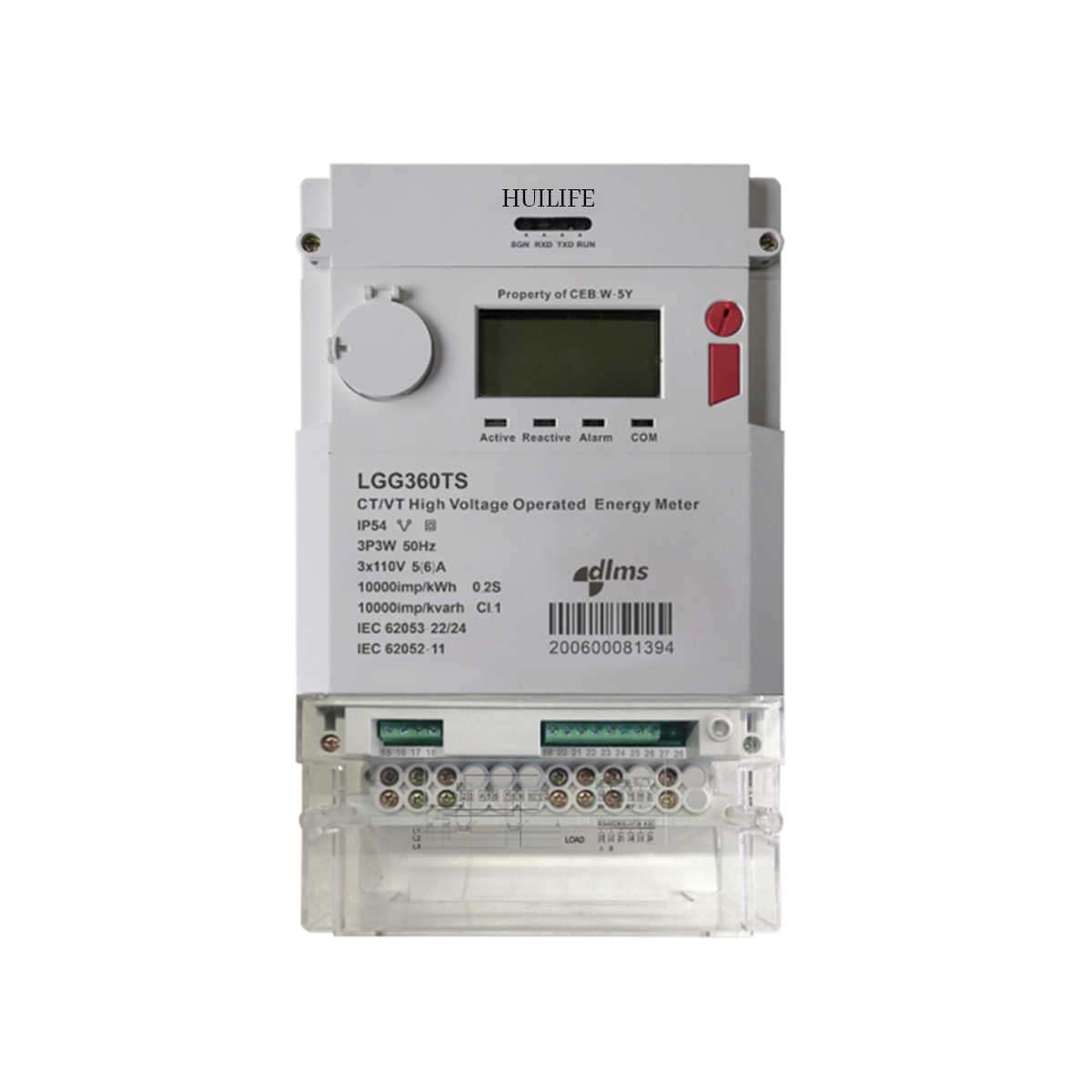
Insight into Penghui’s LGG360TS Model
A great example of advanced smart energy technology is Penghui’s LGG360TS model. This model operates using CT (Current Transformer) and PT (Voltage Transformer) technology, specifically designed for high voltage scenarios. Here’s how it works:
● CT Technology: Converts high current into a manageable level, ensuring accuracy while protecting the meter's internal circuits.
● PT Technology: Reduces high voltage to safe levels, allowing precise energy measurement.
This model complies with international standards, ensuring reliability and performance in various applications. Its design makes it ideal for commercial and industrial use, where accurate monitoring is crucial.
Smart energy meters like the LGG360TS not only enhance energy management but also contribute to a more sustainable energy future. By providing real-time data and facilitating better communication, they empower both consumers and utility providers to make informed decisions.
Benefits of Smart Energy Meters
Smart energy meters offer significant advantages for both consumers and utility companies. These devices not only enhance energy management but also promote efficiency and sustainability. Here’s a closer look at the benefits.
For Consumers
Smart energy meters provide various features that empower consumers to take control of their energy usage:
● Real-Time Monitoring of Energy Consumption: Users can track their energy usage as it happens. This immediate feedback helps identify high-consumption periods and adjust habits accordingly.
● Accurate Billing and Elimination of Estimated Readings: Smart meters eliminate the guesswork in billing. Consumers receive accurate bills based on actual usage, reducing disputes and ensuring fair charges.
● Insights into Energy Usage Patterns and Peak Times: With detailed data, users can analyze when they consume the most energy. This insight allows for better planning and potential reductions in energy costs.
● Support for Time-of-Use Pricing and Potential Cost Savings: Many utility companies offer time-of-use pricing plans. Smart meters help consumers take advantage of lower rates during off-peak hours, leading to significant savings.
● Enhanced Control Over Energy Usage: Smart energy meters can integrate with home automation systems. This feature allows users to optimize energy consumption by controlling appliances remotely.
An example of this is Penghui’s smart energy meter, which provides detailed insights into electricity consumption. Users can access real-time data through an app, making it easier to manage their energy usage effectively.
For Utility Companies
Utility companies also benefit greatly from implementing smart energy meters:
● Improved Grid Management and Operational Efficiency: Smart meters give utilities real-time data on energy consumption across the grid. This visibility allows for better forecasting and resource allocation.
● Faster Fault Detection and Service Restoration: Utilities can quickly identify outages and respond promptly. This capability minimizes downtime and enhances customer satisfaction.
● Reduced Transmission Losses and Enhanced Demand Response: Smart meters help reduce energy losses during transmission. They also facilitate demand response programs, allowing utilities to manage peak loads effectively.
● Integration with Renewable Energy Sources: Smart energy meters support the integration of renewable energy, such as solar and wind. This capability is essential for modernizing the energy grid and promoting sustainability.
Penghui plays a key role in assisting utilities to optimize energy management. Their smart energy solutions enhance operational efficiency and support the transition to greener energy sources.
Summary Table of Benefits
Benefits | For Consumers | For Utility Companies |
Real-Time Monitoring | Yes | Yes |
Accurate Billing | Yes | N/A |
Insights into Usage Patterns | Yes | Yes |
Demand Response Support | Yes | Yes |
Integration with Renewables | Limited | Yes |
Smart energy meters are essential tools for modern energy management. They empower consumers and streamline operations for utility companies, paving the way for a more efficient and sustainable energy future.
Key Features of Smart Energy Meters
Smart energy meters come packed with features that enhance energy management for both consumers and utility companies. These devices not only provide detailed insights into energy usage but also support a more sustainable energy future. Let’s explore some of the key features.
Real-Time Monitoring and Reporting
One of the most impressive aspects of a smart energy meter is its ability to monitor energy consumption in real time. This feature allows users to:
● Track Usage: Consumers can see how much energy they are using at any moment. This immediate feedback helps identify high-consumption periods.
● Receive Alerts: Many smart meters send notifications if usage spikes unexpectedly, allowing users to take action quickly.
This real-time data is crucial for making informed decisions about energy consumption and managing costs effectively.
In-Home Displays and Mobile App Integration
Smart energy meters often come with user-friendly interfaces, making it easy to access data:
● In-Home Displays: These devices provide a visual representation of energy usage. Users can quickly glance at their consumption without needing to check their bills.
● Mobile App Integration: Many smart meters connect to mobile apps, allowing users to monitor their energy usage remotely. This feature enables detailed analysis, helping consumers optimize their energy habits.
The convenience of having this information at your fingertips cannot be overstated.
Automated Readings and Data Transmission
Gone are the days of manual meter readings. Smart energy meters automate the entire process:
● Automated Readings: These devices automatically record energy consumption, ensuring accuracy and eliminating human error.
● Data Transmission: Smart meters send usage data directly to utility companies, allowing for timely billing and efficient grid management.
This automation not only saves time but also enhances the overall efficiency of energy management.
Support for Renewable Energy Integration
As the world shifts towards sustainable energy, smart energy meters play a vital role:
● Integration with Solar Panels: Many smart meters support renewable energy sources, such as solar panels. This capability allows users to track energy generated from renewables alongside their consumption.
● Encouraging Sustainable Practices: By providing insights into renewable energy usage, smart meters encourage consumers to adopt greener practices.
Security Features and Data Privacy Considerations
With the increasing reliance on technology, security and privacy are paramount:
● Data Encryption: Smart energy meters utilize encryption to protect sensitive information during transmission. This ensures that user data remains secure.
● Privacy Controls: Consumers can often control how their data is shared and used, giving them peace of mind.
Compliance with International Standards
Penghui is committed to quality and reliability. Their smart energy meters comply with international standards, including:
● IEC 62053-22/24: These standards ensure accurate measurement of active and reactive energy.
● IEC 62052-11: This standard covers the general requirements for electricity metering equipment.
By adhering to these standards, Penghui ensures that their products are reliable and trustworthy, providing users with confidence in their energy management solutions.
Summary Table of Key Features
Feature | Description |
Real-Time Monitoring | Track current energy usage |
In-Home Displays | Visual representation of consumption |
Mobile App Integration | Remote monitoring and analysis |
Automated Readings | Accurate, error-free consumption tracking |
Renewable Energy Support | Integration with solar and other renewables |
Security Features | Data encryption and privacy controls |
Compliance Standards | Adherence to IEC standards for reliability |
Smart energy meters are essential tools for modern energy management. They empower consumers and utility providers alike, paving the way for a more efficient and sustainable energy landscape.
Conclusion
Smart energy meters are essential for modern energy management. They provide real-time data, accurate billing, and insights into energy usage.
Upgrading to a smart energy meter can lead to significant savings and enhanced control over energy consumption.
We encourage consumers to explore their energy options. Check out solutions offered by companies like Penghui to optimize your energy management effectively.
FAQs About Smart Energy Meter
Q: What is the difference between a smart energy meter and a traditional meter?
A: Smart energy meters provide real-time data, automated readings, and two-way communication, while traditional meters only record total usage.
Q: How can I get a smart energy meter installed?
A: Contact your utility provider to inquire about smart meter installation options available in your area.
Q: Are smart energy meters safe?
A: Yes, smart energy meters use encryption and comply with safety standards to protect user data.
Q: What should I do if I have concerns about my smart meter?
A: Reach out to your utility company for assistance and to address any specific concerns.
Q: How do smart energy meters support renewable energy?
A: They enable tracking of energy generated from renewable sources, facilitating integration with solar panels.
Q: What are the advantages of using Penghui’s smart energy meters?
A: Penghui’s meters offer accuracy, compliance with international standards, and features like real-time monitoring and data security.


