
Selecting the physical location for a battery system is often the most complex logistical hurdle for homeowners transitioning to renewable energy. Many people assume they can simply mount these large units wherever they have free wall space. However, reality dictates a much narrower set of viable options.
Installation placement directly impacts system efficiency, battery degradation rates, and overall home safety. A poorly chosen spot exposes delicate chemistry to thermal stress. It can also violate strict building codes, leading to failed inspections. You cannot afford to compromise on these structural and environmental factors.
Optimal placement is a precise balance between local fire codes, environmental conditions, and the physical constraints of the property. In this article, you will learn how to navigate these complex variables effectively. We will explore the pros and cons of various spaces, review non-negotiable safety standards, and provide a clear framework for final site selection.
Location dictates longevity: Extreme temperatures accelerate battery degradation; climate-controlled or shaded areas are heavily favored.
Compliance is non-negotiable: National and local fire codes (e.g., NFPA 855) strictly regulate spacing, clearances, and prohibited zones (like habitable living spaces).
Indoor vs. Outdoor isn’t just a preference: The decision hinges on the system’s NEMA enclosure rating, local weather extremes, and available wall space near the main electrical panel.
Professional site audits are mandatory: An authorized installer must assess load-bearing walls and conduit routing before finalizing a location.
Positioning the location decision correctly is a critical factor in maximizing the return on investment of a solar battery system. Poor placement drastically increases installation costs due to long conduit runs. It also significantly reduces the overall lifespan of your hardware. You must prioritize efficiency, safety, and longevity over pure aesthetics.
To determine the most viable location for your equipment, professionals evaluate several critical success criteria. These benchmarks ensure the system performs safely for decades.
Proximity to the main electrical panel and inverter: Keeping components close together minimizes voltage drop. Short conduit runs also reduce expensive installation labor.
Stable ambient temperatures: Lithium-ion chemistry prefers moderate climates. You should aim for environments typically resting between 50°F and 80°F to ensure optimal chemistry health.
Structural integrity: Batteries carry immense weight. Mounting surfaces must easily bear 200+ lbs per unit. Standard drywall requires heavy-duty stud anchoring or floor-mount reinforcement.
Accessibility: You need clear paths for future maintenance. Technicians require unobstructed access to perform firmware updates, hardware checks, or emergency shut-offs.
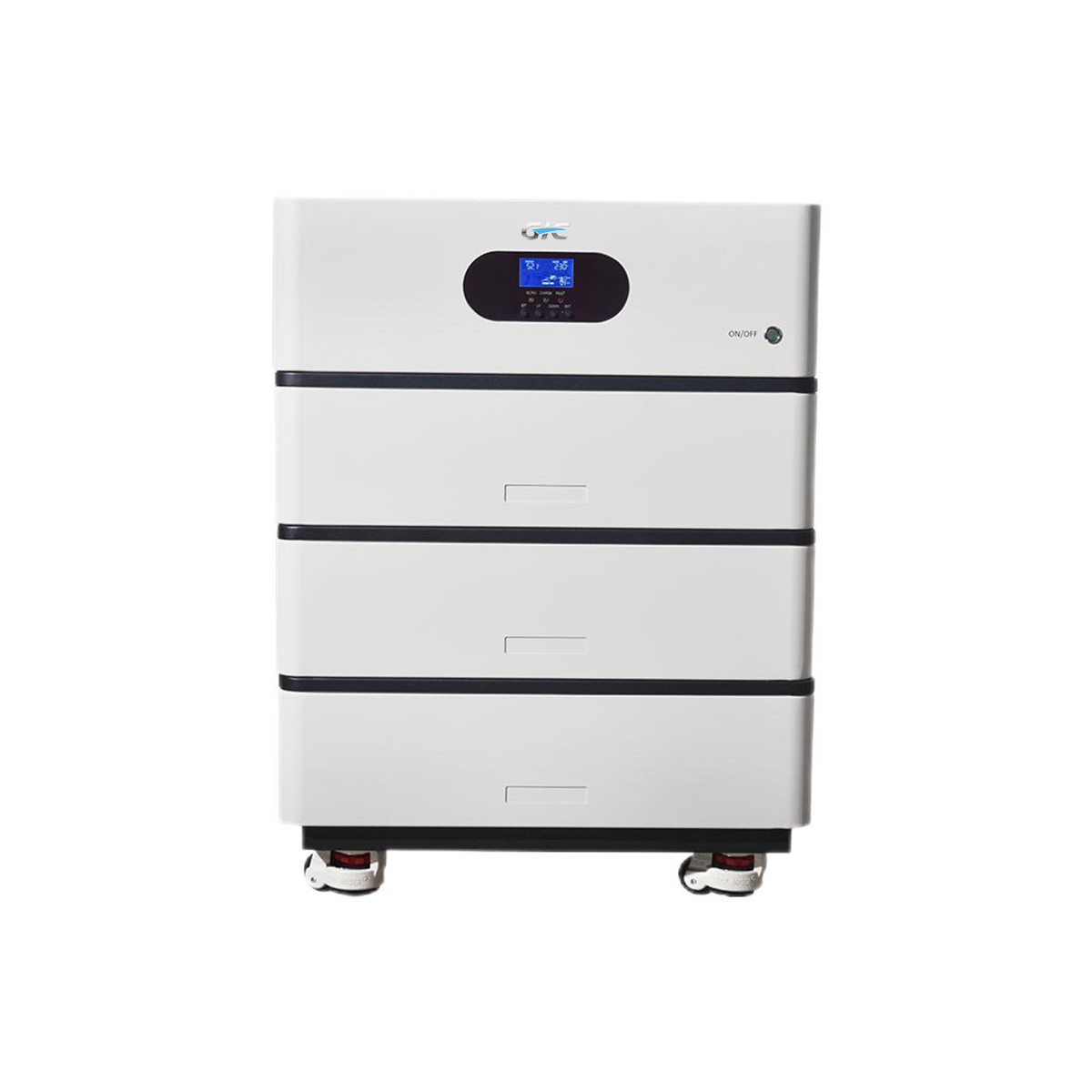
Keeping the system protected from the elements is generally the safest solution approach. Indoor energy storage eliminates exposure to rain, snow, and direct sunlight. However, you must carefully evaluate the feasibility of various indoor rooms based on strict compliance rules.
The garage offers a distinct advantage for most homeowners. It remains the most compliant and cost-effective indoor space available. Garages usually house the main electrical panel, making wire runs remarkably short. However, you must maintain specific required clearances. Installers will mandate physical impact protection, like steel bollards, if the battery sits in a vehicle path. You must also maintain strict spacing away from gas appliances, such as water heaters or furnaces, to prevent ignition risks.
Basements and utility rooms provide a different set of challenges. Their main pro is highly stable temperatures throughout the year. The surrounding earth insulates basements, keeping them perfectly aligned with battery chemistry needs. On the flip side, they carry strict fire code limitations. Many jurisdictions outright prohibit installations in below-grade spaces. If they do allow it, you often need dedicated exterior egress doors or specialized mechanical ventilation systems. These additions drive up initial costs.
You must also understand strictly prohibited indoor areas. National safety standards completely ban installations inside habitable spaces. You cannot place a battery in bedrooms, living rooms, or central hallways. These rules exist primarily due to acute fire hazards and potential off-gassing risks during rare malfunction events.
Location |
Temperature Stability |
Code Compliance Complexity |
Common Obstacles |
|---|---|---|---|
Garage |
Moderate (fluctuates seasonally) |
Low to Medium |
Vehicle impact hazards, gas appliance proximity |
Basement |
High (highly stable year-round) |
High |
Lack of exterior egress, ventilation requirements |
Utility Room (Above Grade) |
High (climate controlled) |
Medium |
Limited wall space, proximity to HVAC equipment |
Bedrooms / Living Rooms |
N/A (Strictly Prohibited) |
N/A |
Illegal under NFPA and local building codes |
When indoor space is limited or restricted by local codes, leveraging exterior walls becomes your best solution approach. Modern residential battery storage hardware is highly robust. Manufacturers design these units specifically to handle the rigors of the outdoors.
Weatherproofing relies heavily on standardized NEMA ratings. Outdoor systems require NEMA 3R or NEMA 4/4X enclosures. A NEMA 3R rating ensures the unit withstands driving rain, sleet, and snow. Upgrading to a NEMA 4X rating provides a watertight seal against harsh windblown dust and corrosive elements. Coastal properties frequently require 4X ratings to combat corrosive salty air.
Temperature mitigation strategies are vital for outdoor longevity. You must avoid direct southern or western sun exposure whenever possible. Intense sunlight causes thermal throttling, forcing the battery to reduce output to protect itself. Built-in thermal management systems handle normal fluctuations, but they have physical limits. Liquid-cooled systems perform better in the extreme Arizona heat. Conversely, passive cooling systems struggle under intense loads. In places like Minnesota, extreme cold poses a different threat. Batteries cannot charge below freezing temperatures unless they feature internal heating pads.
Clearance requirements further limit outdoor placement. You cannot simply bolt the unit to any exterior wall. Fire codes highlight necessary spacing parameters. You must maintain minimum distances from property lines, operable windows, exterior doors, and utility meters. These clearances ensure safe evacuation routes during emergencies.
Rating Type |
Protection Level |
Best Use Case |
|---|---|---|
NEMA 1 / 2 |
Basic dust and incidental contact. No water protection. |
Strictly indoor (climate-controlled rooms). |
NEMA 3R |
Protects against falling rain, sleet, and snow. |
General outdoor use in standard climates. |
NEMA 4 |
Watertight against hose-directed water and heavy dust. |
Exposed outdoor walls subject to harsh weather. |
NEMA 4X |
Watertight plus superior corrosion resistance. |
Coastal environments or industrial proximity. |
Navigating the reality of permitting requires acknowledging one ultimate truth: safety is dictated entirely by the Authority Having Jurisdiction (AHJ). Your local building department holds the final say on where a unit can physically go. Even if a location seems logical, it must pass rigorous regulatory lenses.
Equipment certification provides the baseline for all approvals. UL 9540 acts as the overarching safety standard for complete energy storage systems. Furthermore, manufacturers perform UL 9540A testing to evaluate thermal runaway fire propagation. If a specific battery passes the UL 9540A fire test successfully, inspectors may allow you to stack units closer together. They might also permit placement closer to combustible walls.
NFPA 855 (Standard for the Installation of Stationary Energy Storage Systems) outlines the national baseline rules for residential applications. It generally mandates a minimum 3-foot clearance from all doors and windows. It also restricts the maximum kilowatt-hour (kWh) capacity allowed per distinct fire area. You cannot cram 60 kWh of storage into a small attached garage without special fire-rated drywall.
We must check our assumptions regarding standardization. Local AHJs frequently adopt unique variations of these national codes. A seamless, fully legal installation inside a California garage might immediately fail inspection in New York. Dense urban environments introduce stricter off-gassing and egress rules. You must rely on local experts to interpret these regional nuances.
Transitioning from initial evaluation to active execution requires careful planning. You should thoroughly map out your physical property before you even request contractor bids. This preparation streamlines the design process and prevents costly mid-project redesigns.
Use this basic site audit checklist before contacting an installer for your home energy storage system installation:
Locate the main breaker panel: Walk to your electrical meter and panel. Assess the available wall space within a tight 10 to 20-foot radius.
Identify potential obstructions: Look closely at the proposed wall. Note any hidden water pipes, gas lines, or nearby HVAC compressor units. These elements dictate mandatory setbacks.
Confirm digital connectivity: Check your Wi-Fi or cellular signal strength at the exact proposed location. Consistent internet access remains essential for system monitoring, firmware updates, and validating manufacturer warranties.
Apply strict shortlisting logic when hiring a contractor. You should only engage installers who pre-emptively discuss permitting hurdles, fire codes, and thermal management during the initial consultation. If a salesperson promises to install the battery anywhere you want without checking the electrical panel, walk away. Professionalism in this industry starts with rigorous compliance.
The best location for a home ESS perfectly balances electrical efficiency with strict safety compliance. You must prioritize stable temperatures, strong structural support, and proximity to your main panel. Garages often provide the best indoor environment, while shaded exterior walls serve as excellent outdoor alternatives.
Always maintain a healthy skeptical check during the planning phase. "Cheaper" installation locations requiring less conduit wire are never worth the savings if they expose your hardware to extreme temperatures. Baking a battery in the direct southern sun will drastically shorten its lifespan and void warranties.
Take proactive steps today by mapping out your available wall space and checking your Wi-Fi coverage. Once you understand your home's layout, schedule a comprehensive site evaluation with a certified, compliance-aware installer. They will determine the most viable, code-compliant location tailored specifically to your property.
A: No. National fire codes strictly prohibit battery installations inside any habitable spaces, including bedrooms, living rooms, and standard interior closets. These rules exist to protect occupants from potential fire hazards and toxic off-gassing during severe equipment malfunctions.
A: Ventilation requirements depend heavily on battery chemistry. Modern lithium-ion systems generally require adequate ambient thermal spacing to dissipate heat, but not mechanical exhaust. Conversely, older lead-acid configurations require active, ducted exhaust ventilation to safely expel dangerous hydrogen gas during charging cycles.
A: While technically possible to install batteries far away, best practices dictate keeping them within 10 to 30 feet of the main panel. Longer distances introduce significant voltage drop, reduce system efficiency, and drastically increase the cost of heavy-gauge conduit and installation labor.
A: We strongly advise against DIY installations. Battery systems involve lethal high-voltage DC currents. Unlicensed work will instantly void expensive manufacturer warranties. Furthermore, grid interconnection requires pulled permits, strict code compliance, and official sign-offs from licensed electricians and local utility companies.


